
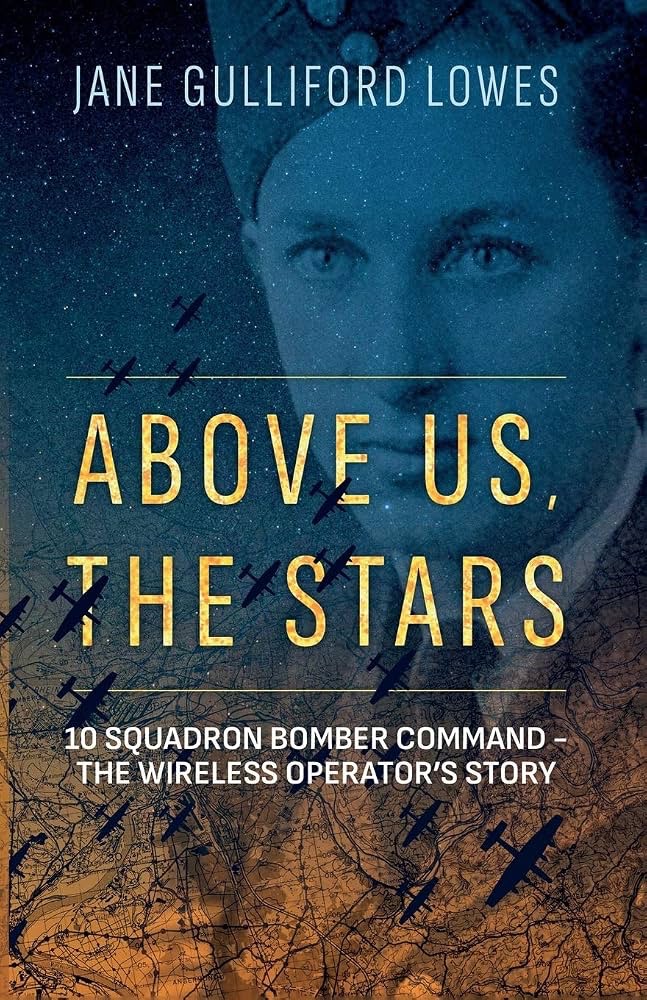
In the North East of England, the history of the Second World War is a patchwork quilt of families with active service, work in industries and involvement in Home Defence. The reason for this is that many of the men in the North East in the time were in reserved occupations, meaning they were needed in their own jobs, either in the shipyards of the Tyne, Wear and Tees or in the collieries of the Durham and Northumberland Coal Fields or the steel works of Teeside and Consett, Co. Durham. So many of us never heard those stories from our own families.
The opening chapter vividly describes the terror of an air raid and the loss on a small tight knit community, which we perceive to be “far away from the war” due to the London and Home Counties focus of the Battle of Britain in the post war narrative. The second chapter brilliantly sets the scene for the connections between the Marquis of Londonderry and the Nazis in Germany, but the complicated nature of the relationship between the industrial owners who for generations had ran collieries as almost feudal towns. The opening chapters really capture the life and early war in the North East and this wrestle between normal life and the war, with men enlisting and leaving their homes behind, and how families coped with these pressures. In Chapter 6 you get a beautiful taste of the excitement of Jack and his comrades being the subject of a royal visit from Their Majesties, King George VI and Queen Elizabeth (known to more as Her Majesty Queen Elizabeth The Queen Mother). But this happiness as always in Bomber Command is tinged with sadness of loss.
Moments remind you how close we are to those of our ancestors, a day spent arm in arm with a loved one, walking through the streets of Durham, around the river and by the cathedral. It brings home to the reader just what these men lived through and the two sides to their lives, the young man courting and marrying and making friends; the young man flying over Germany and Occupied Territories knowing the odds and carrying a bomb-load to release on the enemy population.
As the book continues the history of the war, the main points are expertly noted, along with the history of the war in the North East, including great detail of the conflicts effects in Seaham, from moments of togetherness to moments of fear, then the story of Jack and his comrades.
This book has been for Jane a labour of love telling the story of her Uncle Jack and her home town of Seaham. But it is a book that tells the story of an “every man” a chap that enlisted to do their bit, not the men who wrote memoirs, or recorded their memories. These were the men who a good percentage would not live to tell their stories and the lucky ones like Jack made it home and built lives. In Jane’s own words, “This book is for all the silent heroes.”
 Major History