
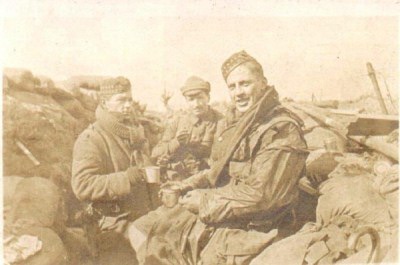
On the Western Front, the winter of 1914 had turned the fields of France and Flanders into a scarred landscape of shell holes and basic trenches. In Ypres, Marne and Aisne, the German advance had been stemmed. In 1915, on the Western Front, the bloodshed continued, with some towns becoming linked with British losses. TheContinueContinue reading “1915 – A Global War – From Mud and Blood to Sand and Cliffs”
Tag Archives: history
The First World War, an Empire at War – Canadian First Nations at War
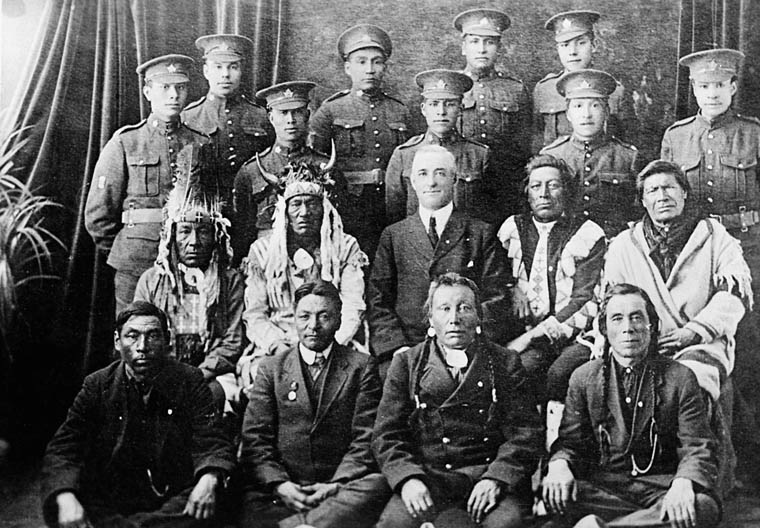
Canadian First Nations, Métis, and Inuit peoples played a significant role in the First World War, despite facing barriers to enlistment due to restrictive laws and policies. Over 4,000 Status Indian men joined the Canadian Army, with many more whose service was not correctly recorded. First Nations soldiers served in every major battle involving Canadian troops. Notable individuals include Lance Corporal John Shiwak, an Inuit marksman killed in action, and Sergeant Leo Bouchard, decorated for bravery. Some, like Captain Alexander Smith and Oliver Milton Martin, earned officer commissions and significant recognition. Their contributions and sacrifices, though sometimes overlooked, were vital and had lasting impacts on their communities.
Victory at a Cost
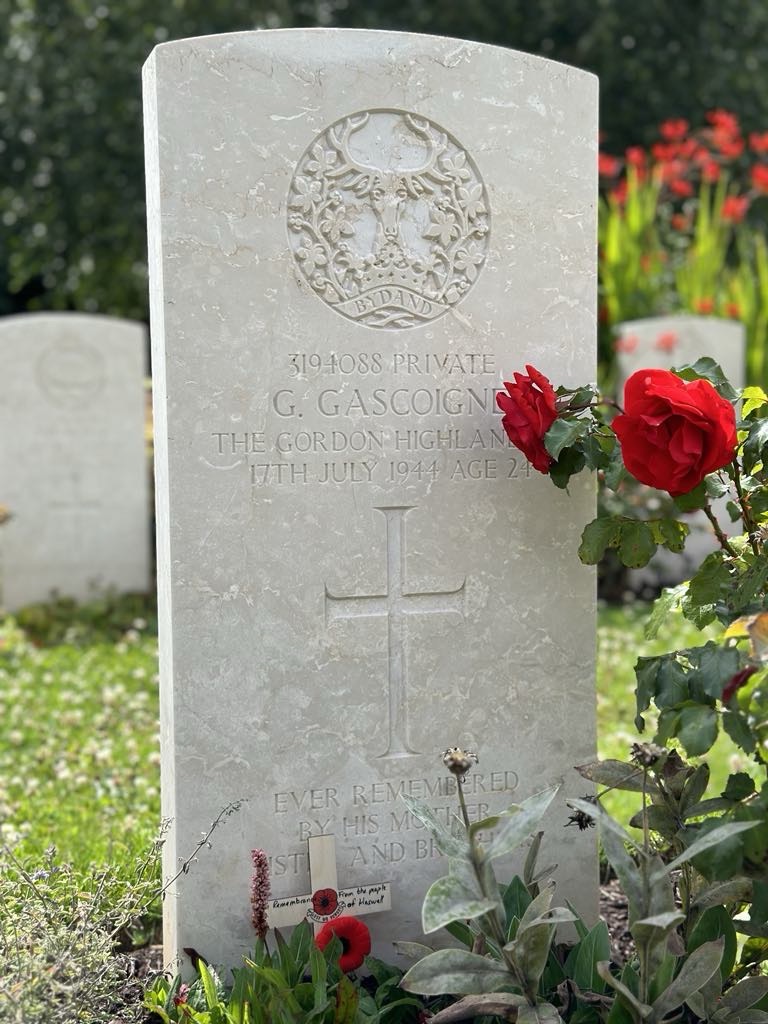
As we approach the 80th Anniversary of VE Day and VJ Day, days that were celebration for the public at the end of the European and Asian phases of the war. It will be hard not to be swept up in the parades and the pageantry of the events in London and around the globe,ContinueContinue reading “Victory at a Cost”
Home Defence of the North East – Part 2 – Land Defence
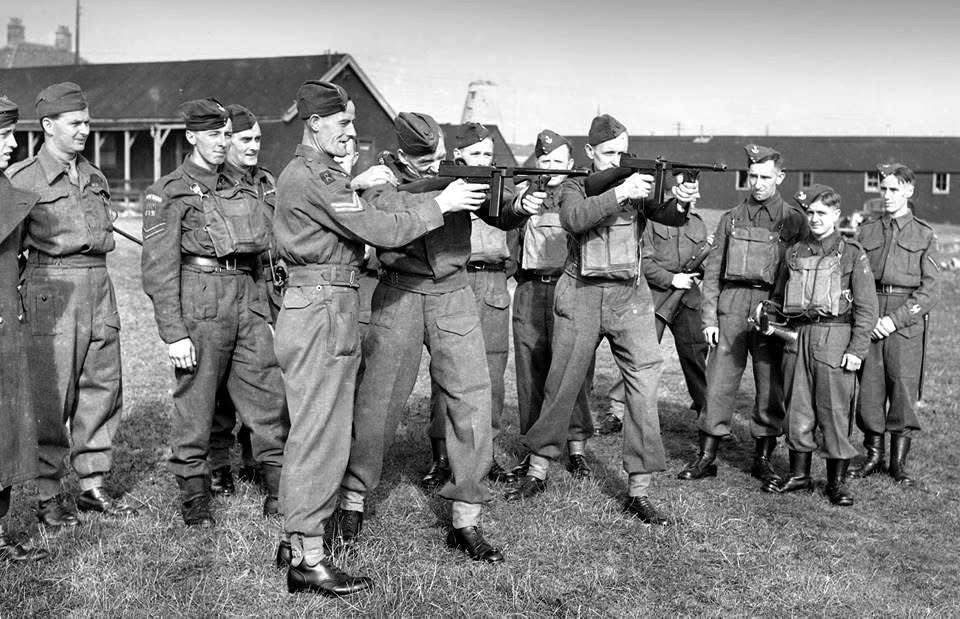
During The Second world war, the threat of invasion was a risk. Due to this, preparations were made for ground attacks on the United Kingdom, whether small scale or a full-scale invasion. These preparations were from the local to the national. For most people their minds are immediately drawn to the BBC sit com Dad’sContinueContinue reading “Home Defence of the North East – Part 2 – Land Defence”
Castles
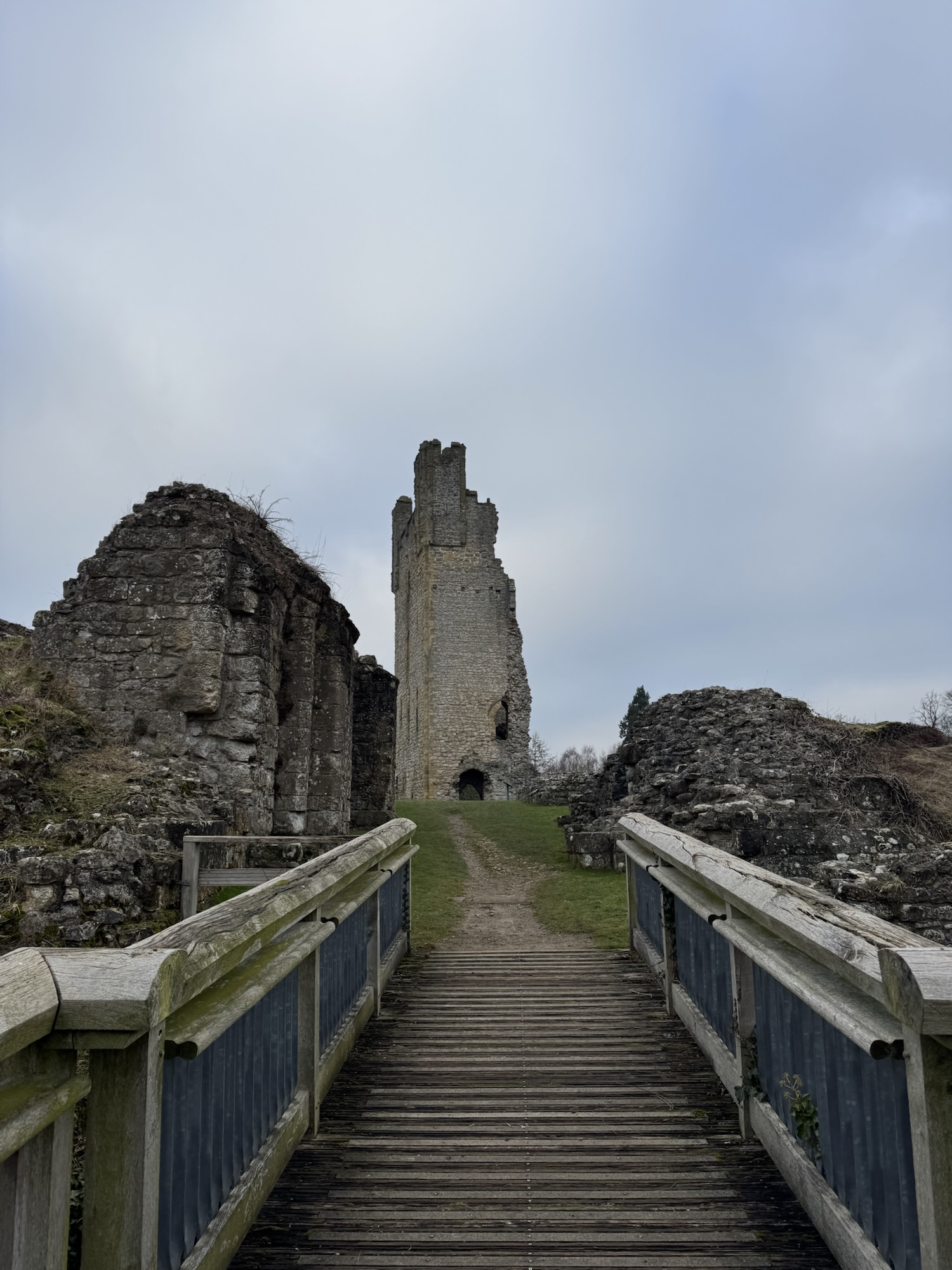
A staple of a British family day out at some point in a child’s life and a staple of a school trip in primary school has to be a castle or a fort or some other defensive structure. This staple has been the same for a long while. Now these castles and structures are oftenContinueContinue reading “Castles”
The War hits Home – The Bombardment of Hartlepool, Scarborough and Whitby.
The general presumption in the years leading up to the First World War, was that those that soldiers left behind in the United Kingdom to go to war, would be far from the conflict and danger. But with the changes in how wars were fought in the First World War and technological innovations before theContinueContinue reading “The War hits Home – The Bombardment of Hartlepool, Scarborough and Whitby.”
D-Day – Pegasus Bridge

One of the gliders used in the capture of Pegasus Bridge over the River Orne, 1944 Copyright: NAM 1975-03-63-18-158 Key to the success of the D-Day Landings, and the Battle of Normandy, was denying the enemy bridges, to prevent them from reinforcing the beaches or counterattacking. Equally key to the success, was the Allies breakingContinueContinue reading “D-Day – Pegasus Bridge”
Musings – A Digital Dark Age
In the summer of 2024, I spent a day at a large living museum that has begun opening a 1950’s section. It was brilliant to see, but it made me contemplate what a living museum would look like when they open a 2010’s area. I think these museums will find it hard to display muchContinueContinue reading “Musings – A Digital Dark Age”
The Butt Report – The Technological Response
In the early part of the Second World War, Royal Air Force Bomber Command were attacking targets in Germany by day. These raids were not as successful as the pre-war theorists had expected and the losses were unsustainable, which resulted in a change from majority daylight raids to majority nighttime raids.[1] These nighttime raids wereContinueContinue reading “The Butt Report – The Technological Response “
Welcome
War by nature often feels far away, and as time passes by the stories of these conflicts, some of which have been much closer to home, begin to fade away. The family stories get more distorted with time and for some families these stories fade away completely. Genealogy and the success of sites such asContinueContinue reading “Welcome”
 Major History