
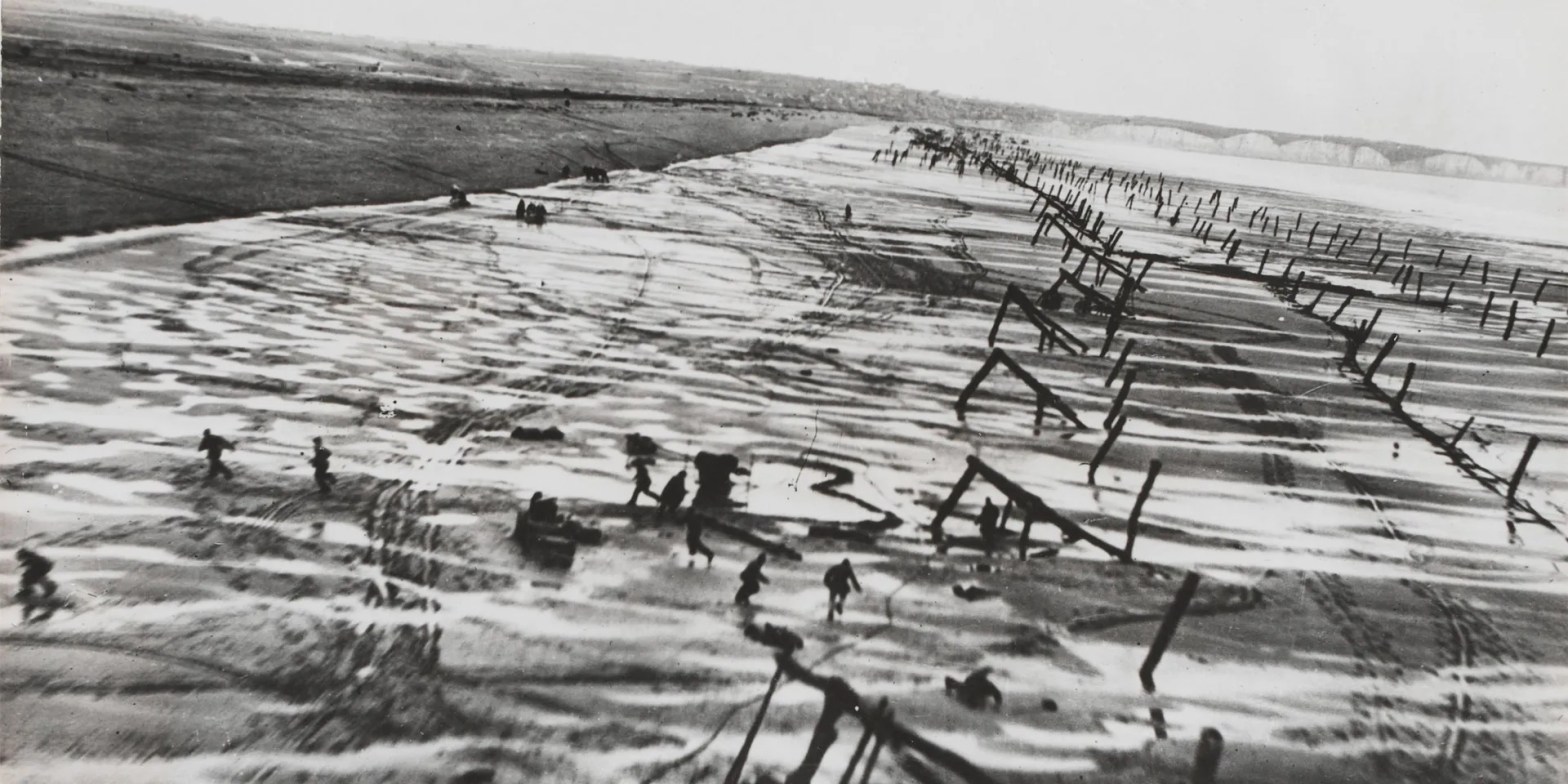
When we think of D-Day, it is of the men who landed on the beaches or parachuted into Normandy. D-Day was a combined arms operation, with the involvement of both the naval and air branches. This included the Royal Navy, and Royal Air Force, with their Commonwealth and Imperial elements, as well as the UnitedContinueContinue reading “D-Day – The Naval and Air Involvement”
Author Archives: Major-History
A Need to Remember
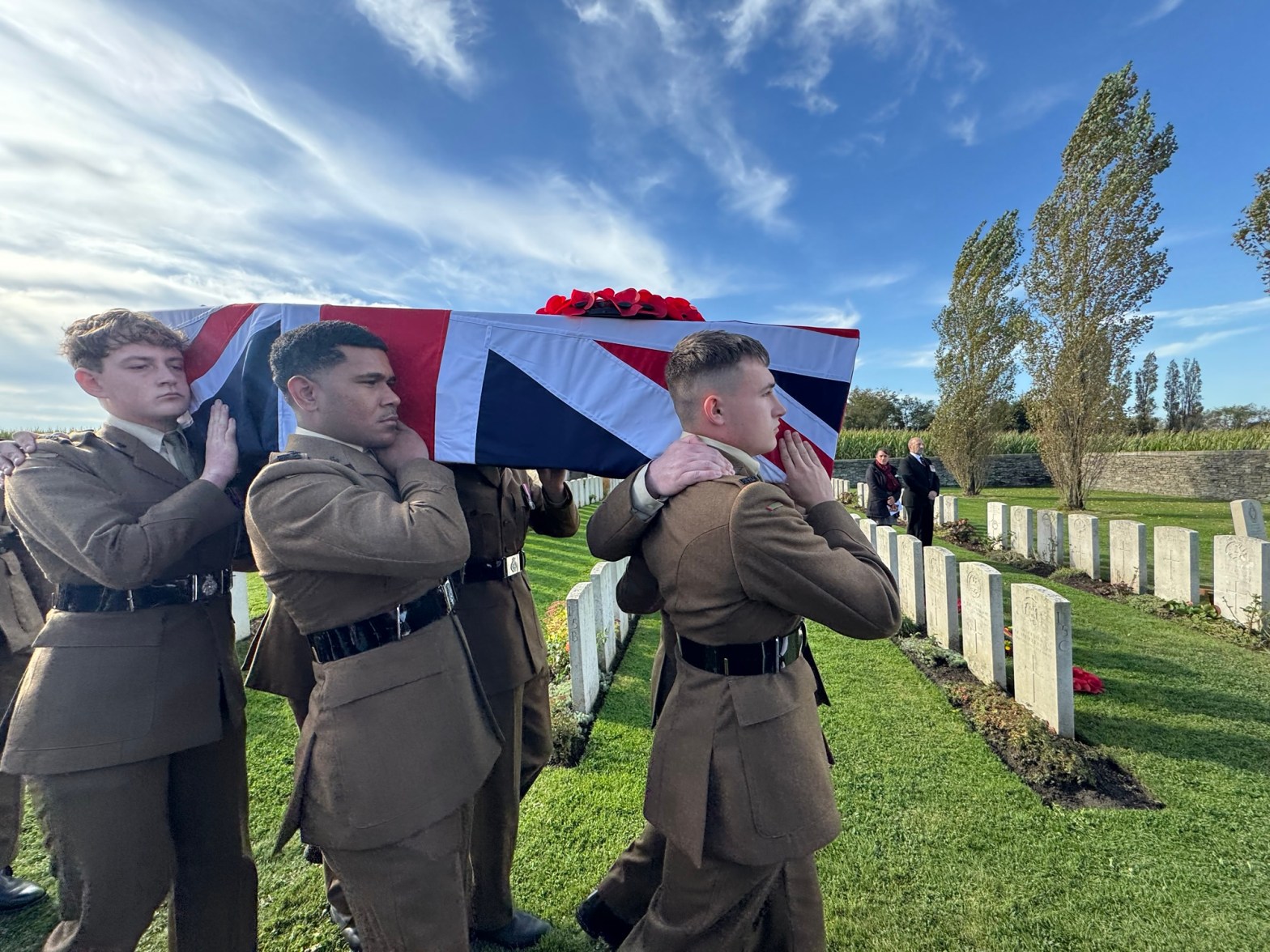
At Remembrance we all tend to go to remember those who went before in conflict and in military service, who were killed and those who came home shattered in mind, body and spirit. How we remember these losses is a phenomenon that originated in the Boer War, as communities had settled, news was more accessible,ContinueContinue reading “A Need to Remember”
1915 – A Global War – From Mud and Blood to Sand and Cliffs
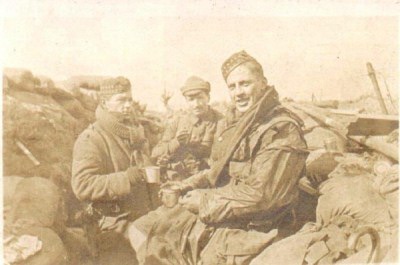
On the Western Front, the winter of 1914 had turned the fields of France and Flanders into a scarred landscape of shell holes and basic trenches. In Ypres, Marne and Aisne, the German advance had been stemmed. In 1915, on the Western Front, the bloodshed continued, with some towns becoming linked with British losses. TheContinueContinue reading “1915 – A Global War – From Mud and Blood to Sand and Cliffs”
A little quiet…
So I think you will all have realised that I have been neglecting this site. But it’s all been in the aid of a good cause. I have been working on a community history event, for November. I’m sure that this site will soon be getting new content again.
The First World War, an Empire at War – Canadian First Nations at War
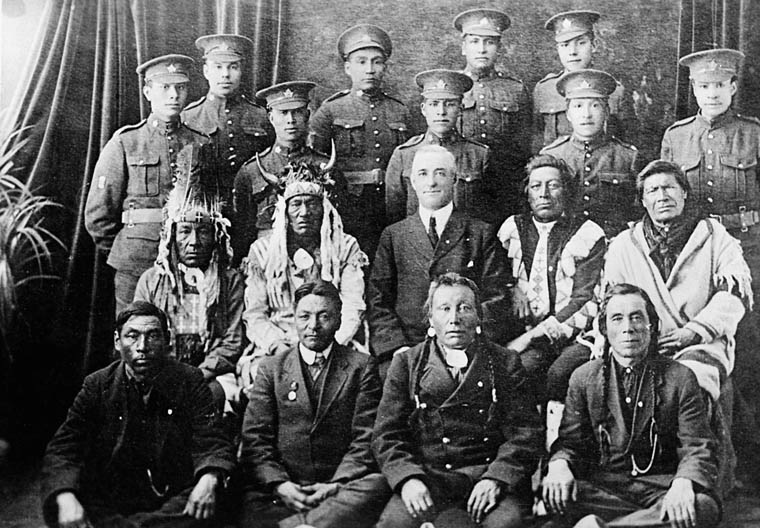
Canadian First Nations, Métis, and Inuit peoples played a significant role in the First World War, despite facing barriers to enlistment due to restrictive laws and policies. Over 4,000 Status Indian men joined the Canadian Army, with many more whose service was not correctly recorded. First Nations soldiers served in every major battle involving Canadian troops. Notable individuals include Lance Corporal John Shiwak, an Inuit marksman killed in action, and Sergeant Leo Bouchard, decorated for bravery. Some, like Captain Alexander Smith and Oliver Milton Martin, earned officer commissions and significant recognition. Their contributions and sacrifices, though sometimes overlooked, were vital and had lasting impacts on their communities.
Victory at a Cost
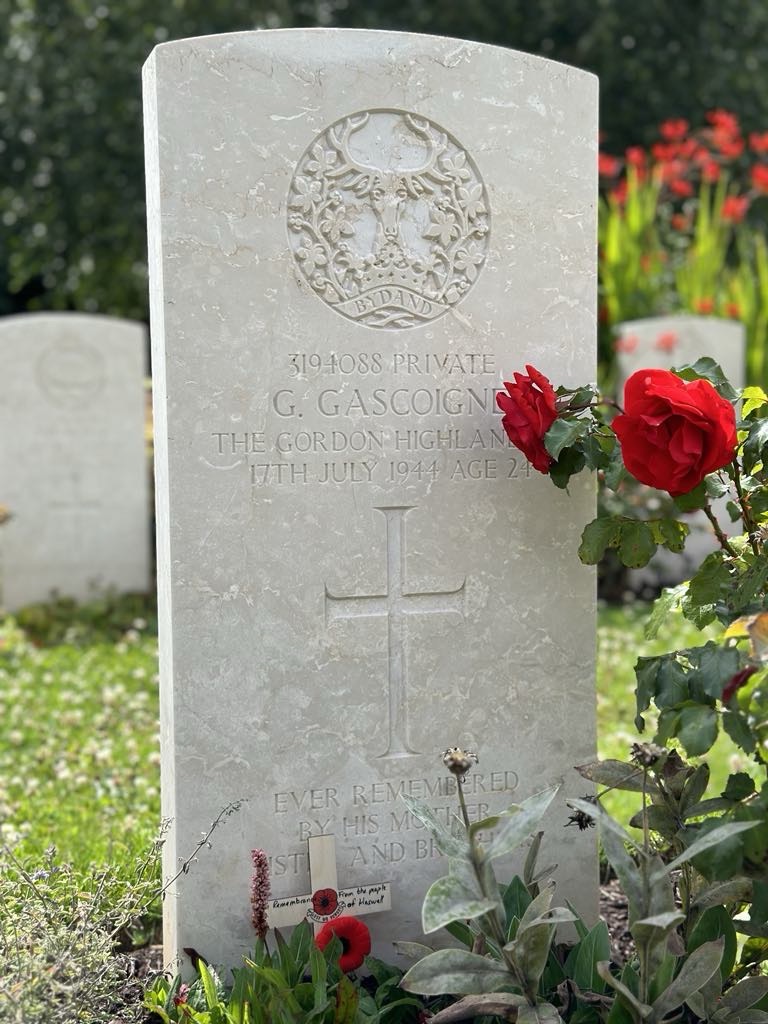
As we approach the 80th Anniversary of VE Day and VJ Day, days that were celebration for the public at the end of the European and Asian phases of the war. It will be hard not to be swept up in the parades and the pageantry of the events in London and around the globe,ContinueContinue reading “Victory at a Cost”
The D-Day Dodgers – The War In Italy
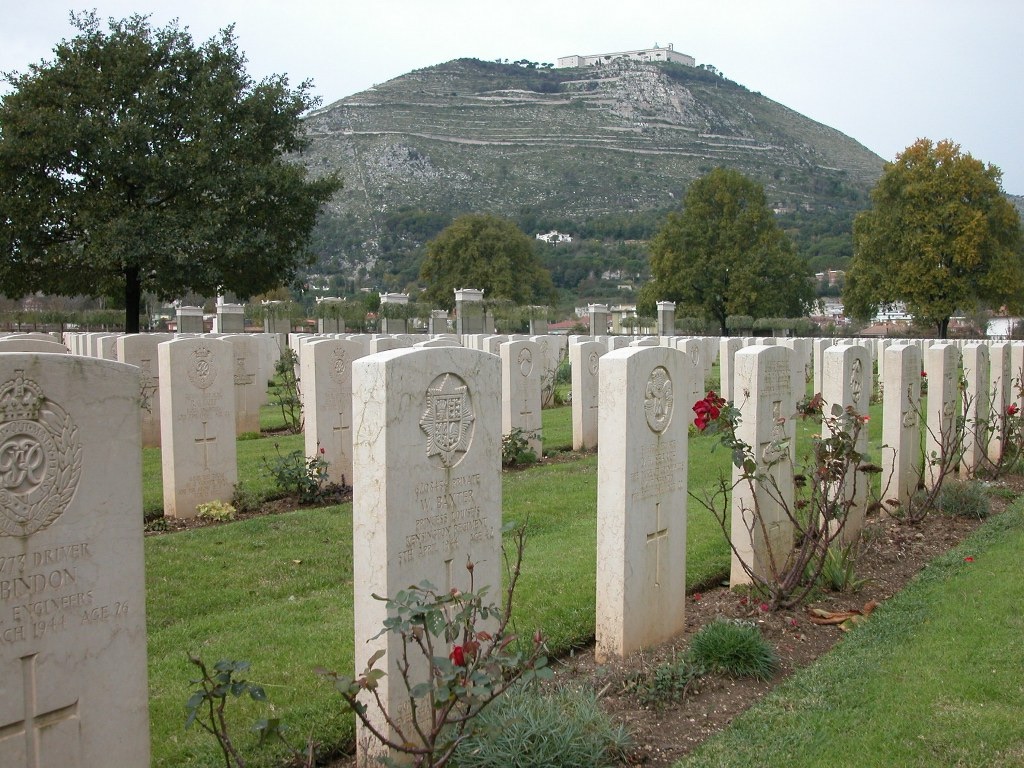
In 1943, the Allies began the invasion of Italy. This was a strategic gamble that only paid off due to deception operations. This invasion began tying up German troops, that could otherwise have been deployed elsewhere, including defending the Atlantic coast. The defence of Italy was a series of heavily defended lines, all based onContinueContinue reading “The D-Day Dodgers – The War In Italy”
Mothers Day
In the course of a project I have completed, I was forced to confront the cost of military service and costs of loss to those closest to the service men and women. The strength of those left behind can be seen in the Festival of Remembrance annually, but for me it was brought home inContinueContinue reading “Mothers Day”
Faith Under Fire – The Royal Army Chaplains Department
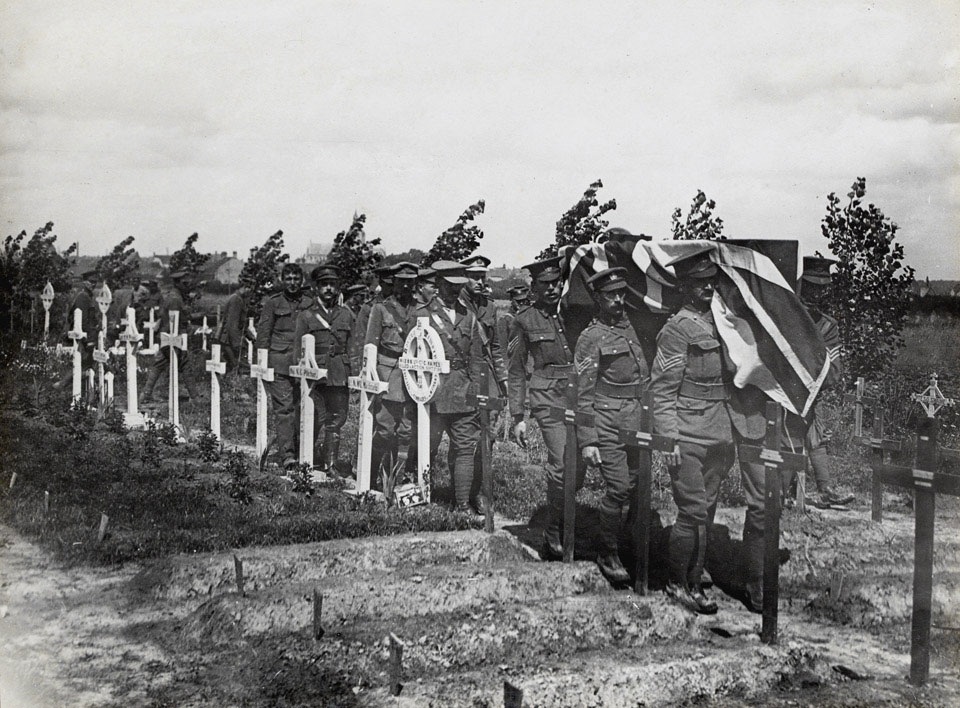
When you think of the Royal Army Chaplains Department, the faith leaders within the British military, it is easy to think that they only worked on Sundays and had little involvement in the World Wars and other conflicts, or that they were safe behind the frontlines. But this would be wrong. Royal Army Chaplains DepartmentContinueContinue reading “Faith Under Fire – The Royal Army Chaplains Department”
Home Defence of the North East – Part 2 – Land Defence
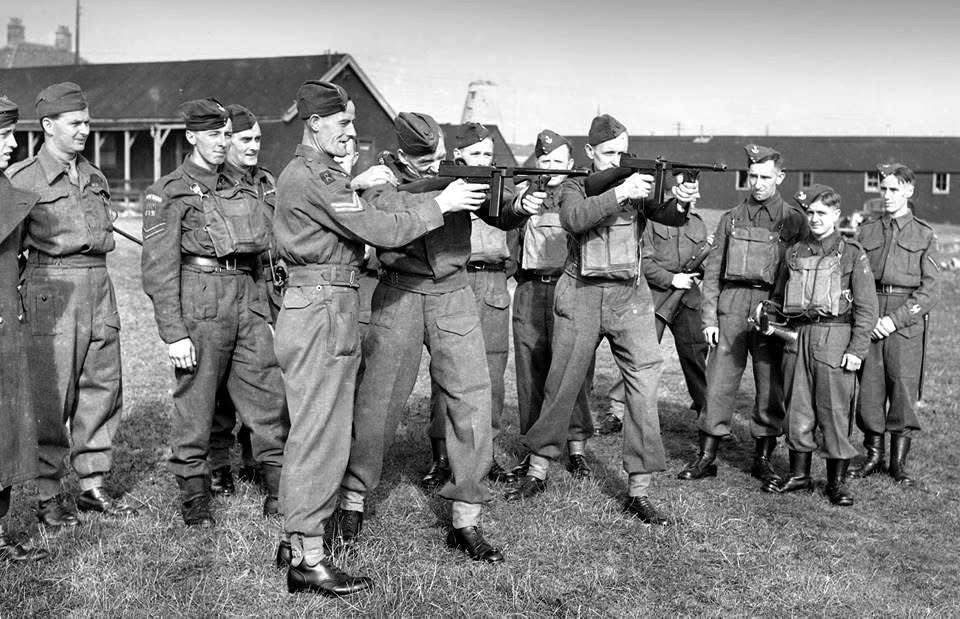
During The Second world war, the threat of invasion was a risk. Due to this, preparations were made for ground attacks on the United Kingdom, whether small scale or a full-scale invasion. These preparations were from the local to the national. For most people their minds are immediately drawn to the BBC sit com Dad’sContinueContinue reading “Home Defence of the North East – Part 2 – Land Defence”
 Major History