
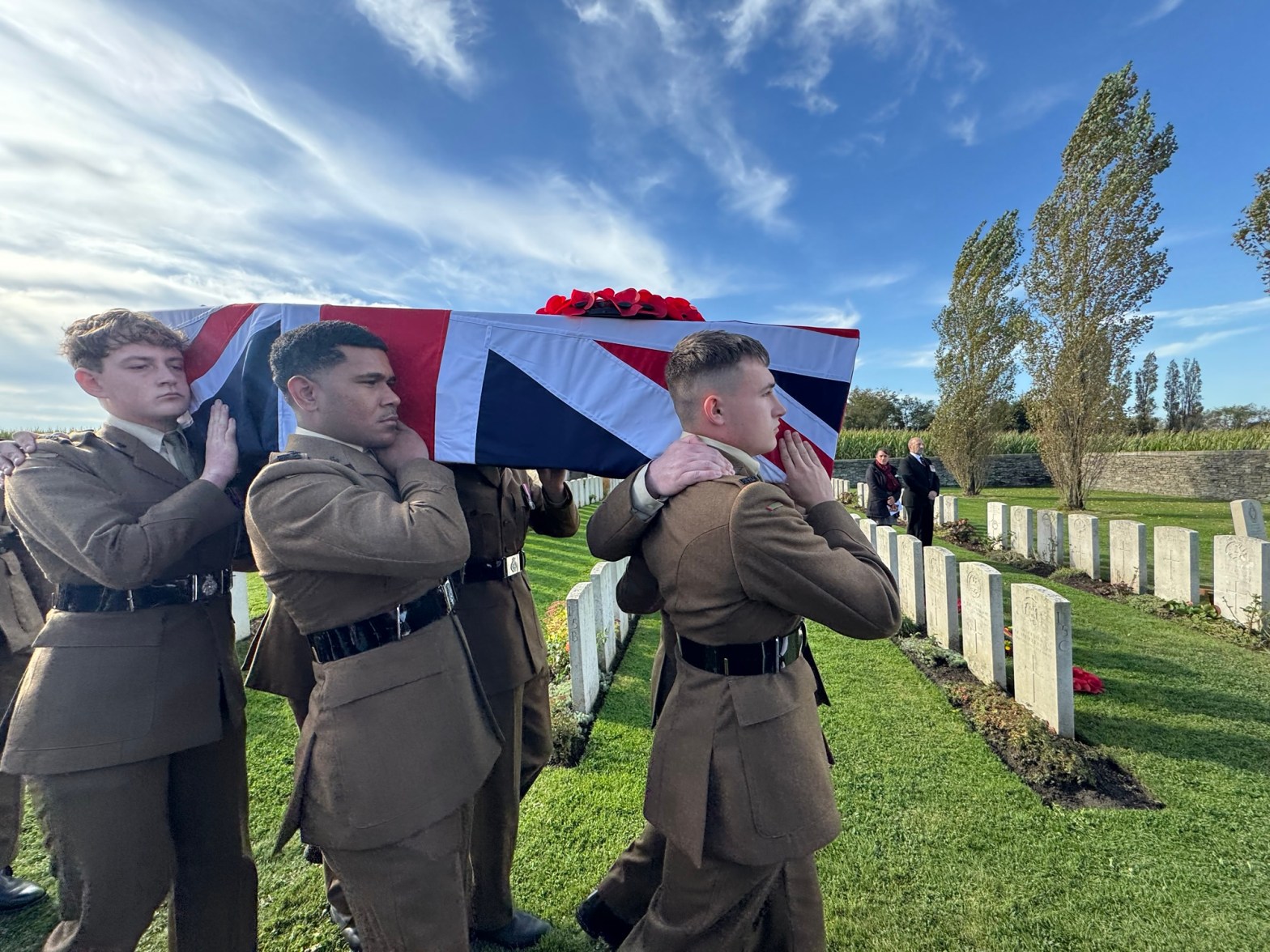
At Remembrance we all tend to go to remember those who went before in conflict and in military service, who were killed and those who came home shattered in mind, body and spirit. How we remember these losses is a phenomenon that originated in the Boer War, as communities had settled, news was more accessible, and men enlisted ‘for the duration’.
With industrialised weaponry came catastrophic injuries, which often remained imprinted on the minds of those who saw them and on those who tried to keep them alive. Private Tom Easton of the 2nd Battalion Tyneside Scottish, Northumberland Fusiliers, recalled an incident on the 1st July 1916, during an attack at Lochnagar Crater. Coming across one of his best friends. This friend described a vision of the sky opening and seeing his ancestors and late father, before he fell forward, revealing to Tom Easton that an artillery shrapnel wound in his friend’s chest had obliterated his back.
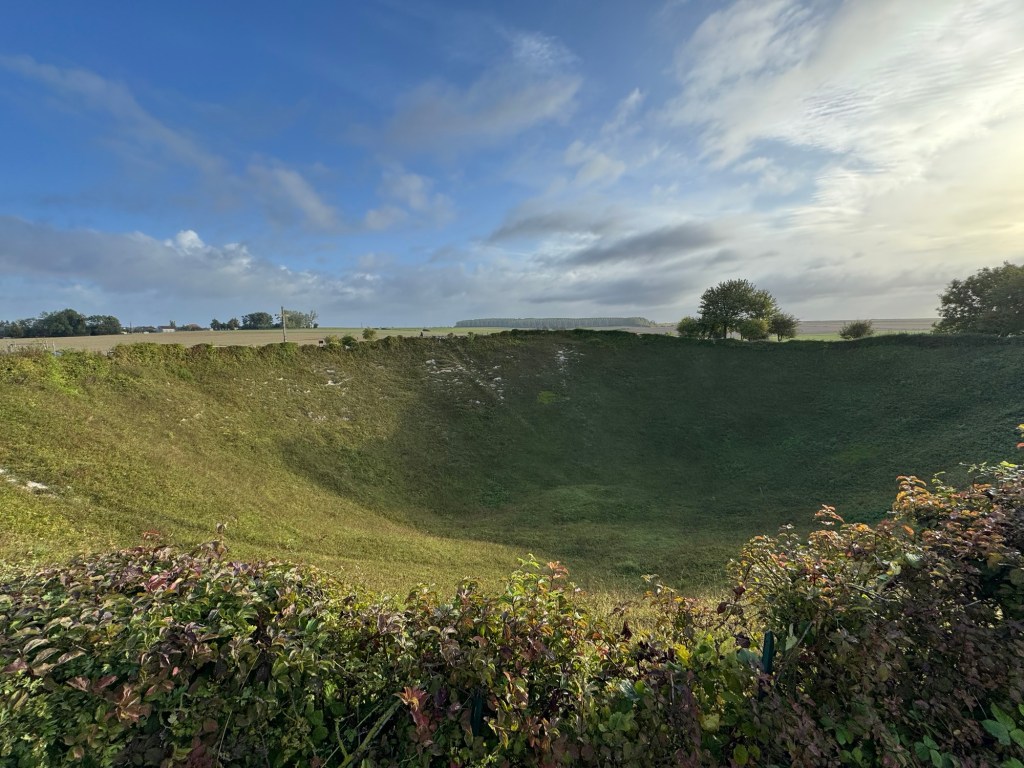
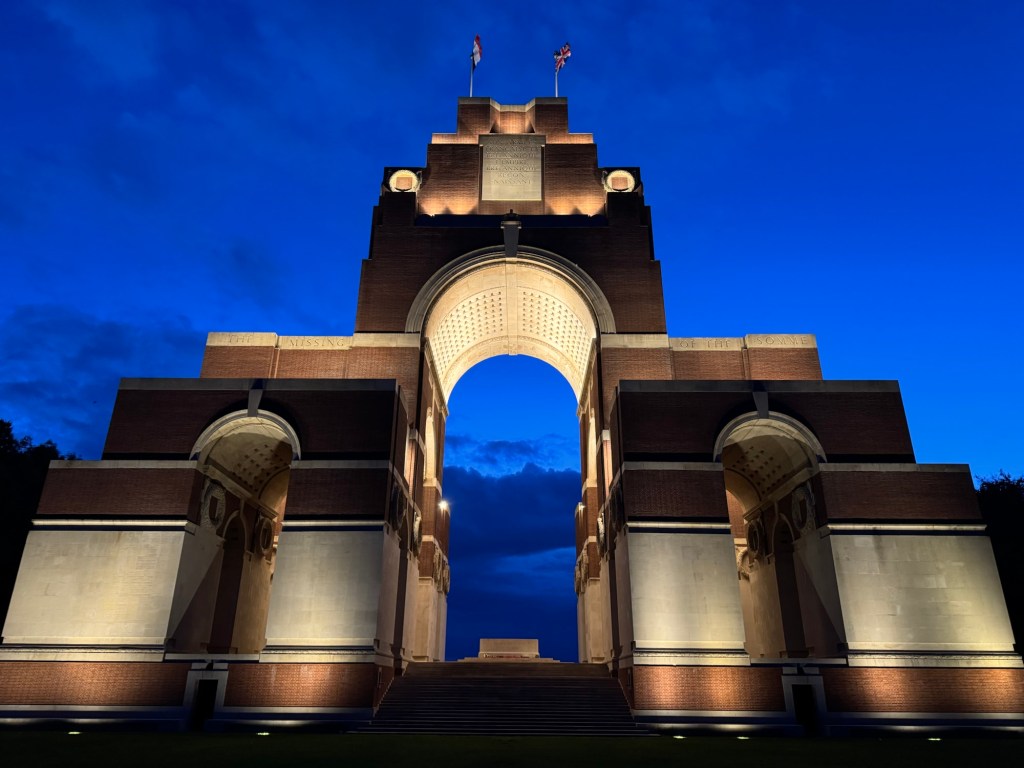
Fallen soldiers were buried close to where they fell, such as Private Alfred Moxham, who was killed by a machine gun and was buried in the base of Lochnagar Crater, by his brother and best friend. Many of these battlefield burials became lost due to time and combat, which, in Alfred Moxham’s case, means that he is recorded on the Thiepval Memorial to the Missing.
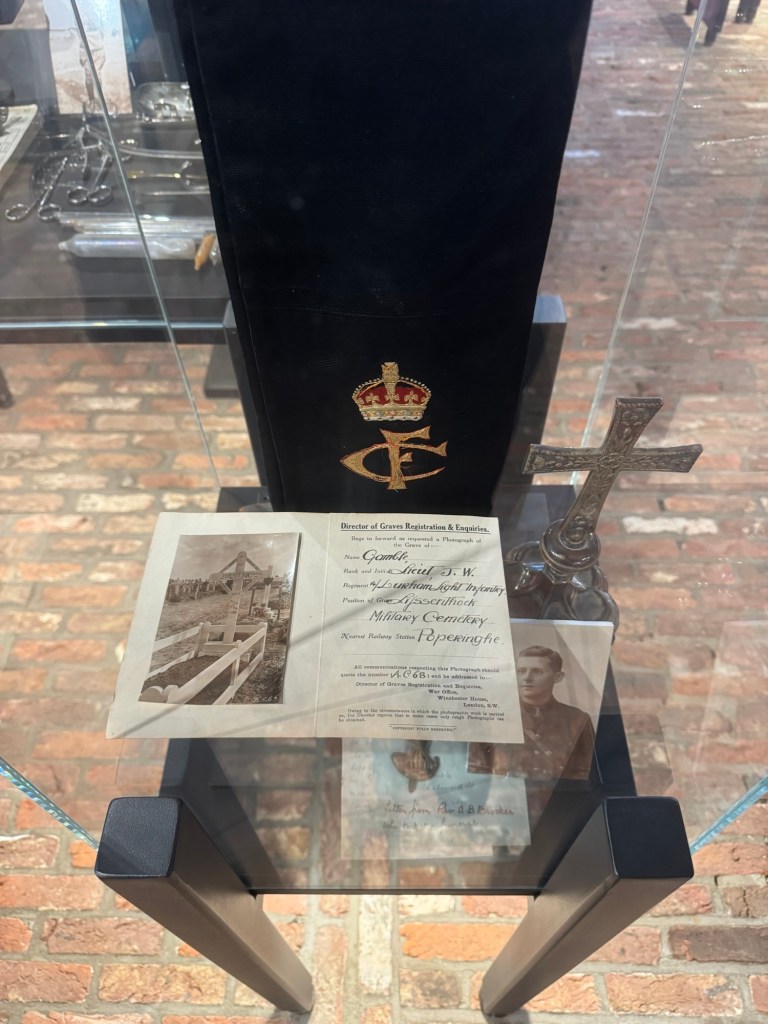
Officers and padres would often write to the families of soldiers and officers who had been killed. The Reverend A B Brooker was based in Poperinge at a Casualty Clearing Station. He was with Lieutenant John Walcot Gamble of the 14th Battalion Durham Light Infantry after he was mortally wounded on the 22nd May 1916. The Reverend A B Brooker wrote to his family after conducting his funeral to say that their son was in such a state of shock he would have felt little pain, and that his grave was in a location where it should be safe from fighting, and if his family wished, he would plant any flowers they wanted at his grave.
Many men in the First World War enlisted into the army with friends, colleagues and neighbours into Pals units. The 18th Battalion Durham Light Infantry was one such Pals Battalion. Many of these Pals Battalions were in heavy action on the first day of the Battle of the Somme. With the 18th Battalion Durham Light Infantry losing over 50% of its strength, killed and wounded. Of the 1000 men and officers of the 2nd Battalion Tyneside Scottish, Northumberland Fusiliers, by the end of the 1st July 1916, only one officer and 200 men remained fit to fight, with the remainder killed, wounded and missing. With these Pals units being recruited from small areas, the impact was profound. The Somme was for many their first experience of war, and news of casualties began to arrive swiftly. Wives and mothers receiving news of their sons and husbands. In some areas, whole streets with barely a house untouched by loss.
This death on an industrialised scale presented problems. It was decided that unless every single body could be found, identified and brought home, then no one would be… from prince to pauper. The Graves Registration Commission, commanded by Major General Sir Fabian Ware, began the process of recording burials. This grew into the Imperial War Graves Commission, now the Commonwealth War Graves Commission. Their task was to find, collect and bury the war dead and to build sites that were fitting resting places, that families could visit. So many small battlefield cemeteries made post-war reconstruction difficult, which led to many being concentrated into larger cemeteries, such as Private Edward Henderson of Haswell, now in Ypres Reservoir Cemetery. With so many still missing, men denied the known and honoured burials given to their comrades in death, something had to be done. Post-war, the Imperial War Graves Commission built large memorials to the missing that allowed each man to be commemorated individually.
Back in Britain, the sense of loss and grief was so great nationally, that the Cenotaph was constructed in Whitehall, and in local communities, that villages, towns, and cities erected their own memorials to honour their own men and women, to give families and friends a space to mourn, grieve, and remember.
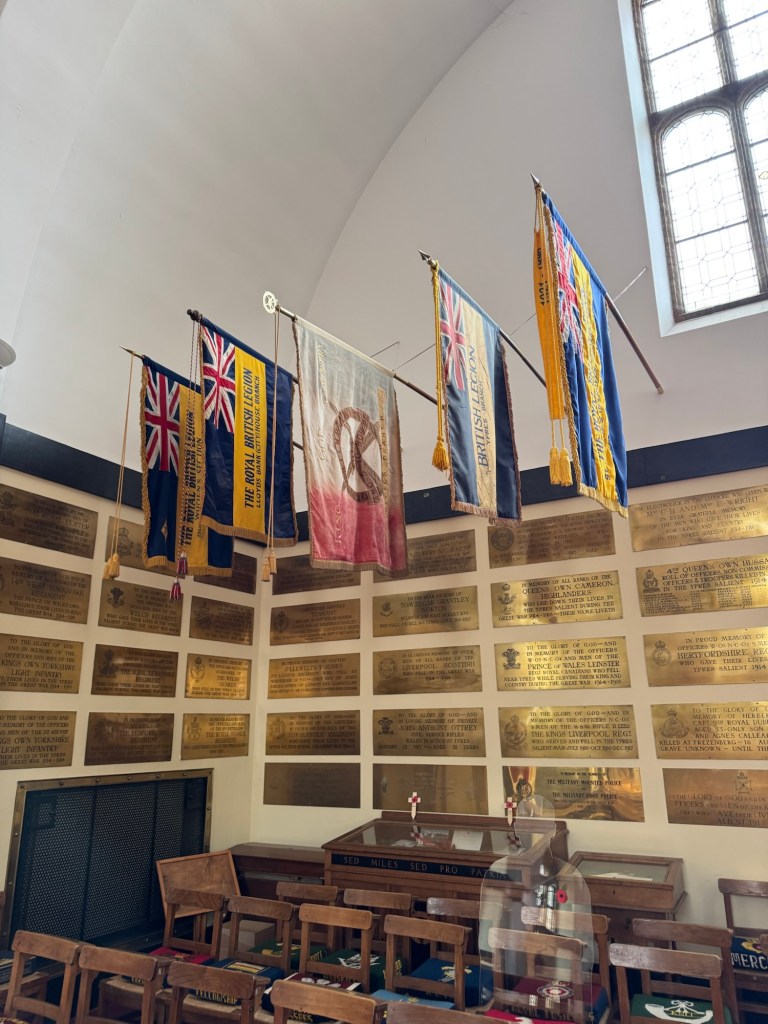
At the same time, the men returning home needed a way of remembering comrades, and a way of having space to build their own peace and futures. Some joined fraternal organisations such as Freemasonry. Associations were formed. The first men to fight formed the Old Contemptibles Association, the men who fought in the Ypres Salient formed the Ypres League, all to remember their comrades and friends. This was along with the British Legion, which was formed in 1921 with the involvement of Field Marshal Earl Haig.
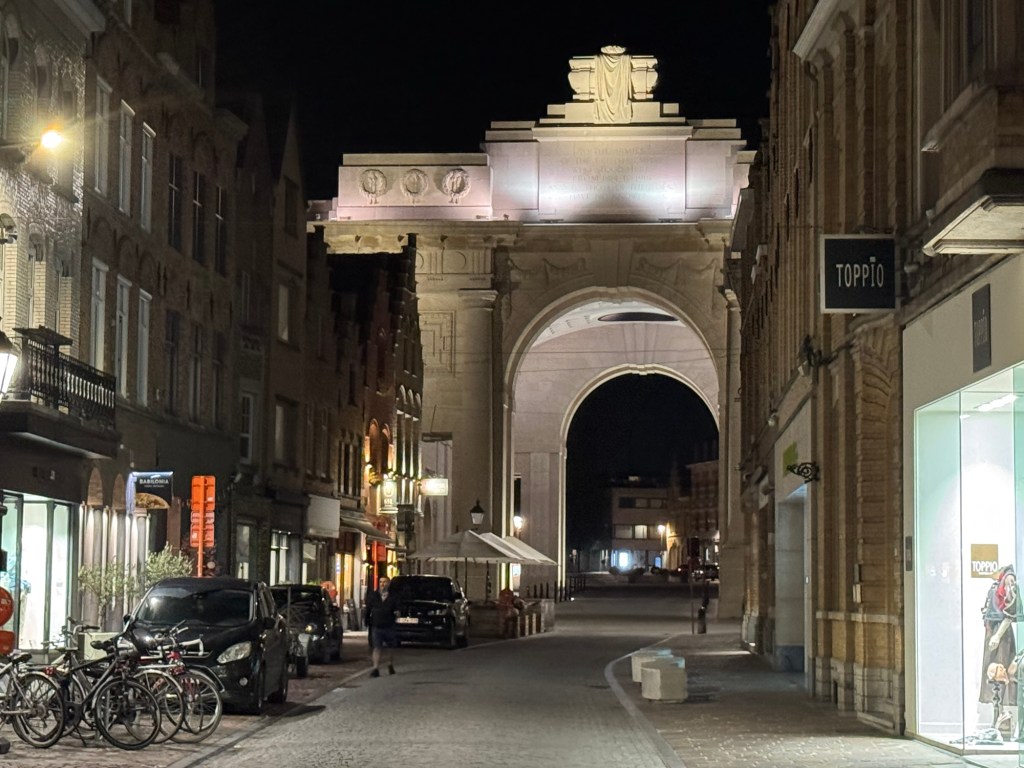
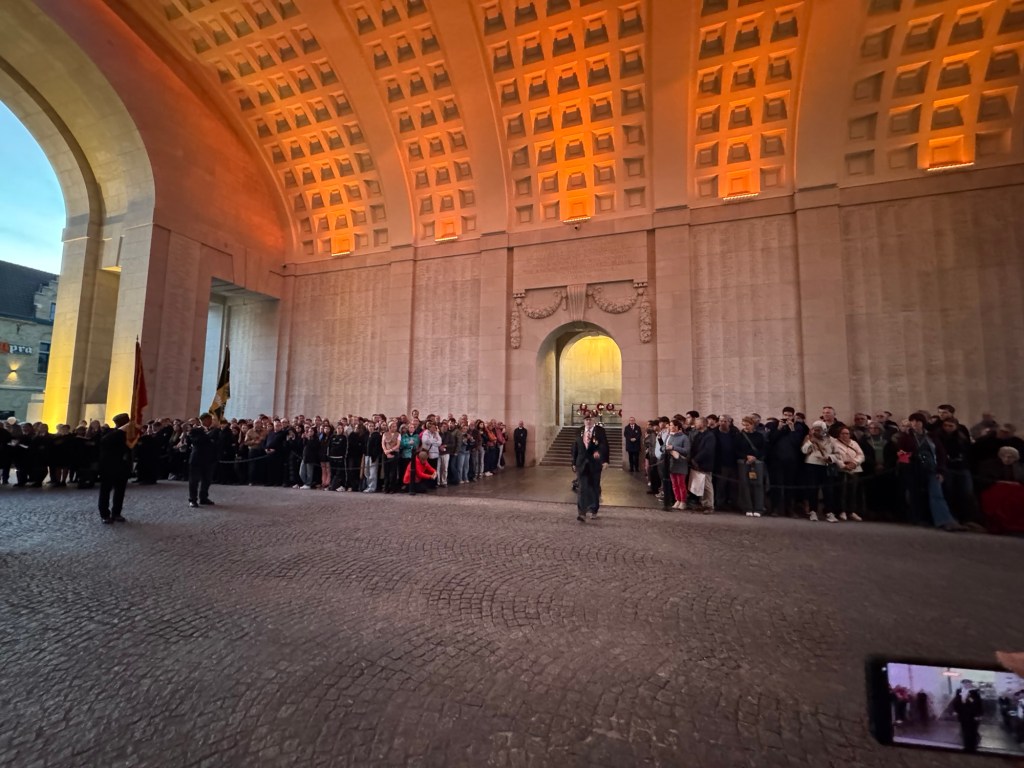
In Ypres, the local population began a commemoration in 1928 at the Menin Gate Memorial to the Missing, which commemorates 54,896 men. It is led by the Fire Service Buglers and the Last Post Association. The service has been conducted nightly, except for the German occupation, and was resumed on the night of liberation. Tonight, thousands will have gathered under that famous gate to commemorate those who lie in the area of Ypres with no known grave.
Year after year, some veterans returned. Private Tom Easton would visit the Somme, to visit Lochnagar Crater and, even at an advanced age, walk the two miles to the graves of his friends and keep them updated on their families and villages. Veterans still return to Normandy and Arnhem. Reunions allow space for remembrance, which happens to this day in the various military associations.
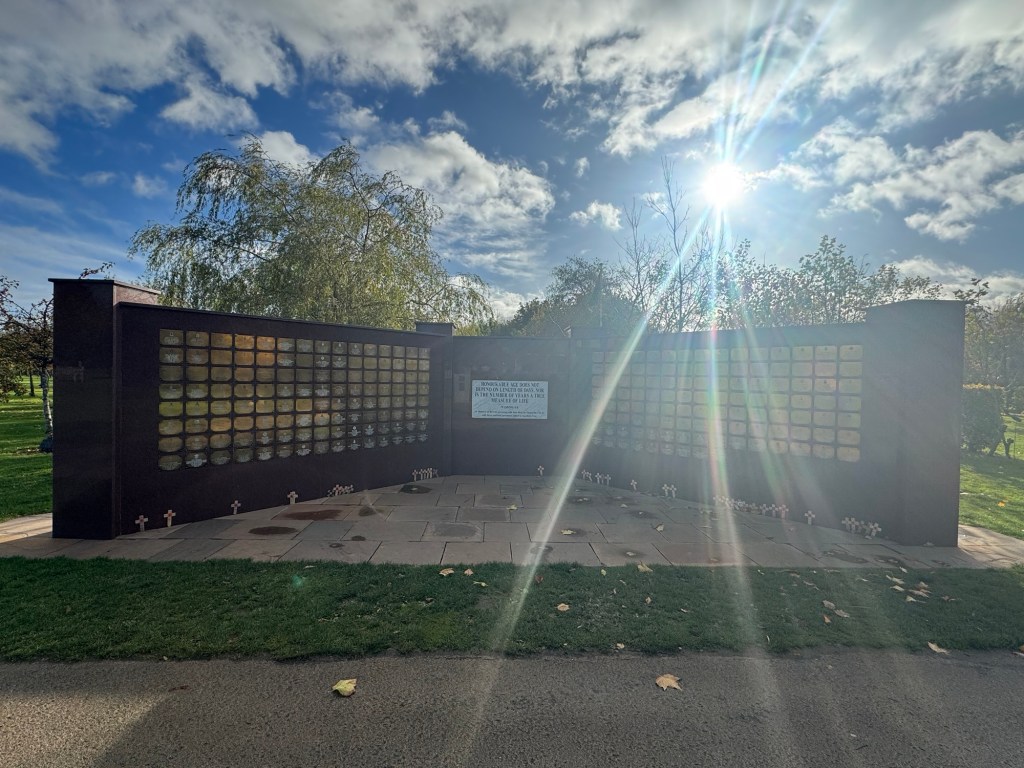
In the years since, remembrance has continued this pattern. In Iraq, between 2003 and 2011, the men and women constructed a simple brick wall of remembrance with brass plaques, which, upon the withdrawal of the British Armed Forces, was deconstructed and rebuilt in the National Memorial Arboretum.
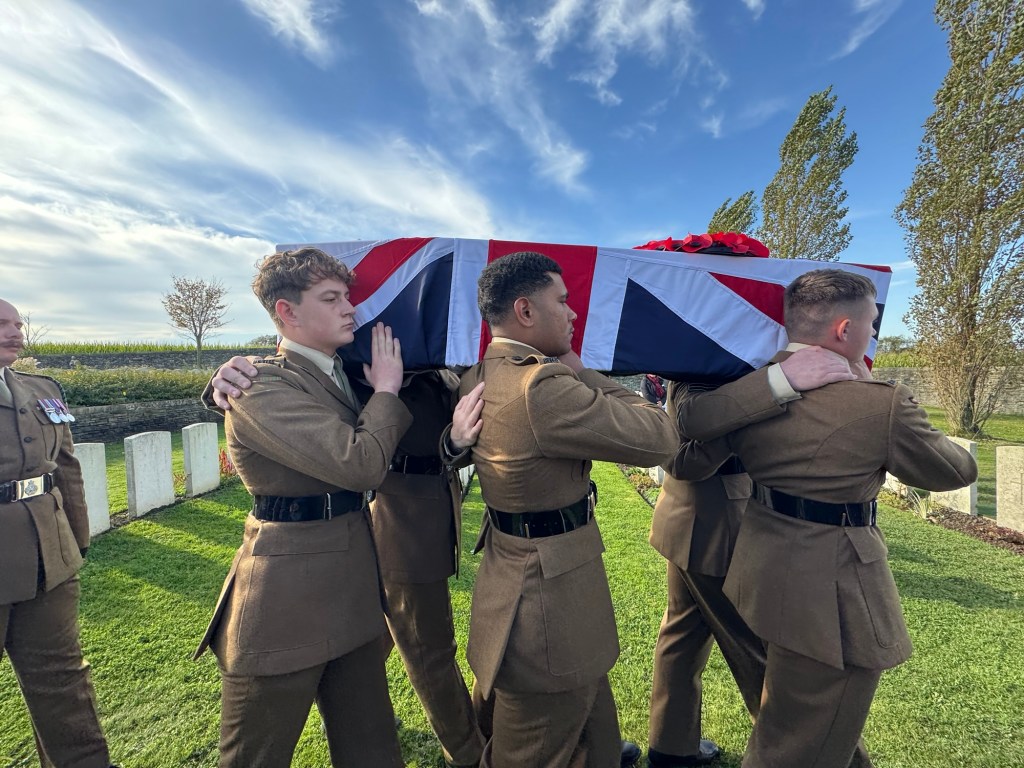
The remembrance of past conflicts has not stopped. The Ministry of Defence Joint Casualty and Compassionate Centre and the Commonwealth War Graves Commission work to identify the men who are still being found in foreign fields. Who, with the assistance of current service personnel, the Royal British Legion and, in Ypres, the New Ypres League, are buried in existing cemeteries with the dignity and honour deserved for those who fell for King and Country.
 Major History