
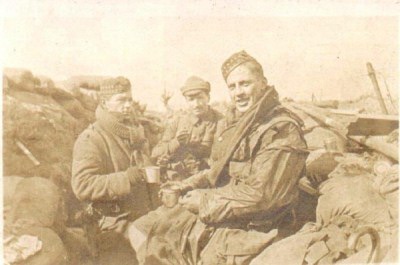
On the Western Front, the winter of 1914 had turned the fields of France and Flanders into a scarred landscape of shell holes and basic trenches. In Ypres, Marne and Aisne, the German advance had been stemmed. In 1915, on the Western Front, the bloodshed continued, with some towns becoming linked with British losses. The professional army had begun to be reinforced by the reserves, territorials, the men of the British Empire and the early volunteers.

One town that has become synonymous with British and Empire losses is Ypres. The 2nd Battle of Ypres began on the 22nd April 1915. Ypres is a strategic location that is crucial in preventing an enemy attacking from the east from reaching the channel ports of Calais and Dunkirk. This key strategic value meant that the area saw some of the fiercest fighting of the war, especially in 1915. During the 2nd Battle of Ypres, the British, including units from the British Empire, faced relentless assaults from the Germans intending to push them back and split up the British Expeditionary Force. If this had happened, it would have allowed the Germans to access the Channel ports. To attempt to create a decisive victory in the battle, the German Army preceded the initial attack with chlorine gas, marking the first use of chemical weapons in the conflict. This allowed the Germans to capture several villages with little fighting. If not for the 10th and 16th Battalions Canadian Infantry, the town of Ypres could have fallen. These two battalions were ordered to counterattack into German gaps, against heavy fire. They succeeded at pushing the Germans back at the cost of 75% casualties. In the 2nd Battle of Ypres, 59,275 men from the British Empire were wounded or killed. Private George Henry Wade; Private Patrick Elmore; Private John G Cowie; Private Edward Benthem and Lance Corporal Norman Beardmore all of whom were living in Haswell before the war, were lost in the 2nd Battle of Ypres.
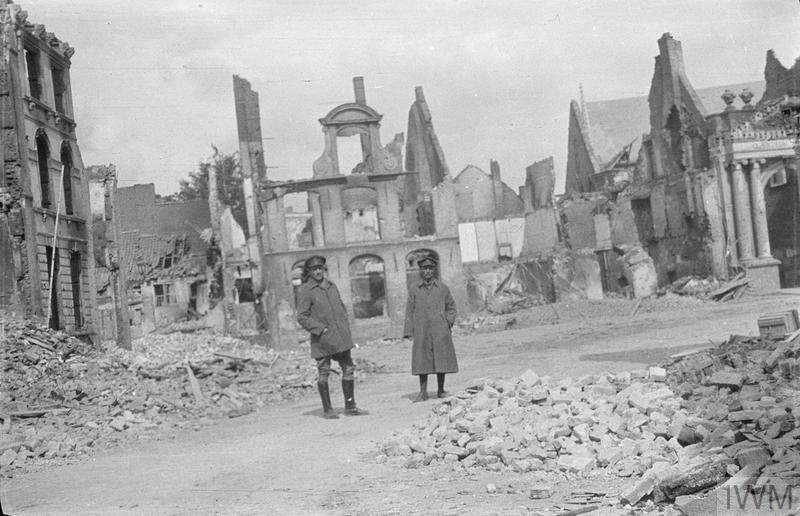
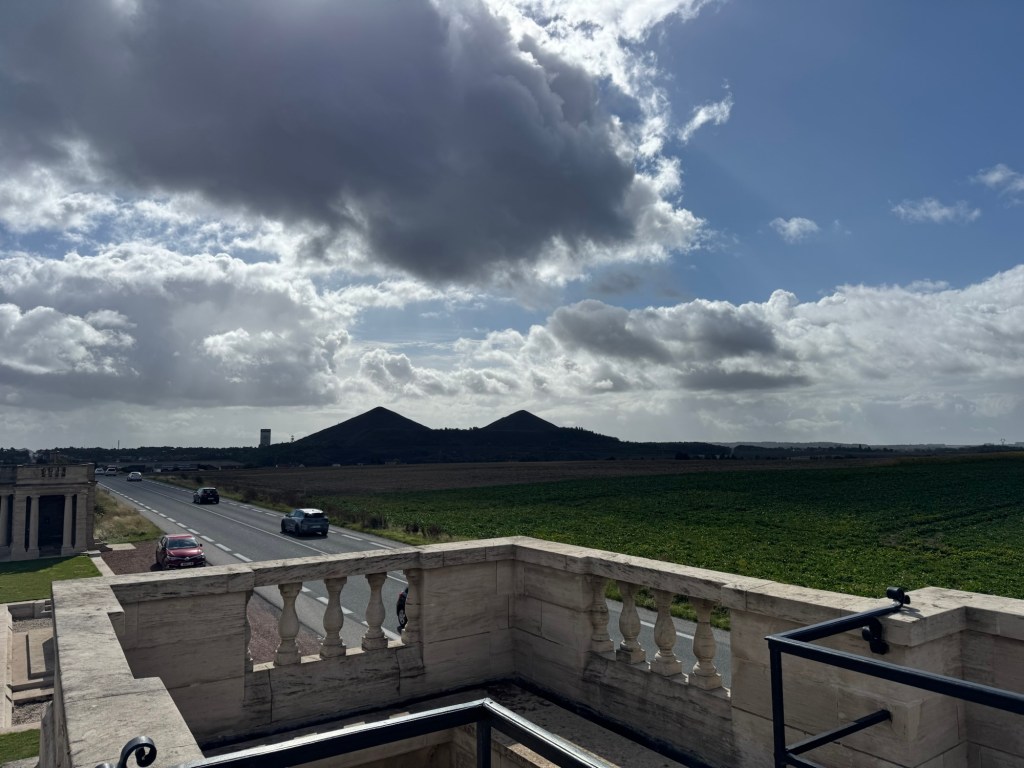
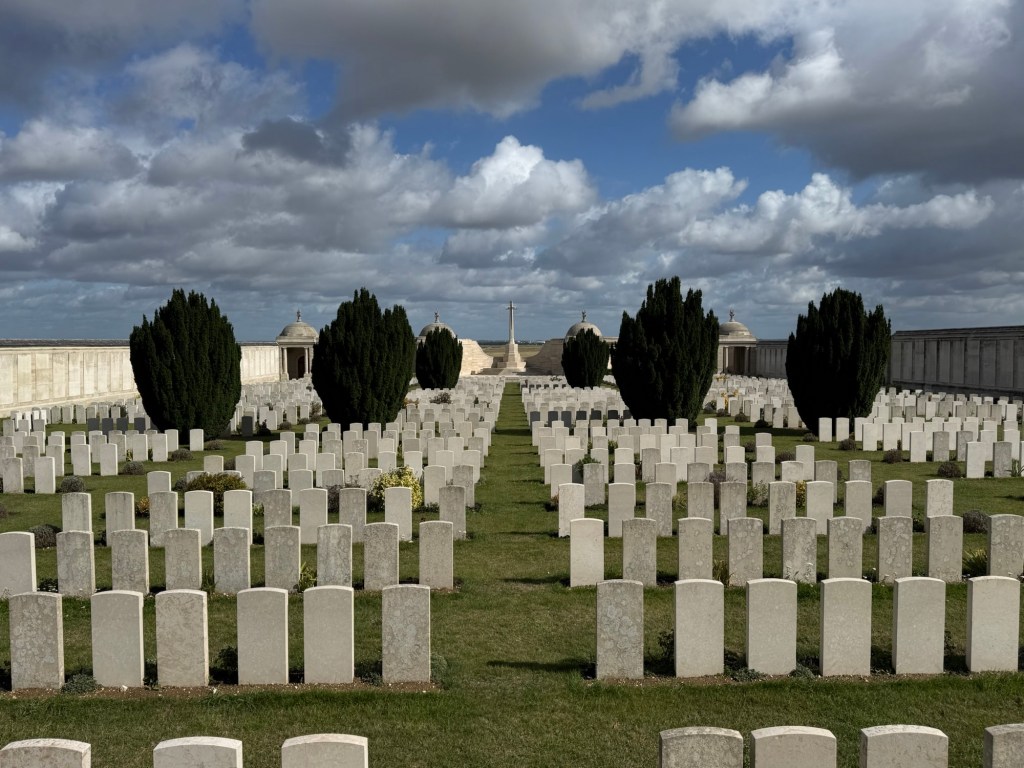
On the Western Front, another major engagement in 1915 was the Battle of Loos. At this point of the war, the British Army was suffering from a shortage of shells, exacerbated by the rate of fire that the Royal Artillery was delivering to the enemy. This severely impacted the preparations for the Battle of Loos, resulting in the bombardments being too short to affect the Germans. The British gas attack was affected by the wind. The British troops were enveloped by their own gas, which killed and injured many. In some areas, the British succeeded in capturing German positions. In parallel with the industrial geography of the North East of England at the time, much of the fighting in the Battle of Loos took place around mining buildings, pit heaps and quarries. During the 14 days of the battle, Loos was captured, along with other objectives, which were swiftly lost in counterattacks. This was the first battle for some of the men of the New Army, men who had volunteered en masse, Kitchener’s men, including some of the early pals units. In the Battle of Loos, Private Alexander Burrell, of Haswell, was lost with no known grave.
The Suez Canal was vitally important; it was the artery of the British Empire. It allowed Egypt to become a transit and training facility for the Australian and New Zealand Army Corps Units, known as the ANZACs, and the men of the British Indian Army, on route to the Western Front. The importance of the canal necessitated a wide defensive. This required trenches and defensive positions to be dug into the shifting sands that bordered the Sinai Desert. On the 1st February 1915, the Ottoman Forces assaulted the canal. After three heavy days of fighting, the British and Imperial Units repulsed the attack, taking 716 Ottomans prisoner. In response, the British moved the defensive positions further into the desert and began the offensive Egypt and Palestine Campaign, which cost 15,101 lives including Private Percy Hughes from Haswell.
In early 1915, the Allies opened an additional front, against the Ottoman Empire, to split it in two at the Straight of Gallipoli, known as the Dardanelles, and to allow ships to supply the Russian ports that were considerably warmer than the allied Arctic Convoys. As well as to take the Ottomans out of the war and to safeguard the Suez Canal. The Gallipoli Campaign began on the 25th April 1915, with an amphibious assault, advocated for by Sir Winston Churchill. This assault encountered large cliff faces, which quickly became static with men unable to move from the beaches. Casualties quickly mounted among the British and the troops of the Australian and New Zealand Army Corps. So disastrous was this front that it became pivotal in the national identities of Australia and New Zealand. Due to the conditions, the enemy was not the only killer, with diseases such as cholera, and dysentery claiming many lives. In January 1916, the force withdrew after suffering 32,275 men killed, including Able Seaman John Welsh; Private George Nesbitt and Private Lenoard Sherratt of Haswell. In Australia and New Zealand, national remembrance events are held twice a year, on the 25th April for ANZAC Day and the 11th November for Remembrance Day.
This global war demanded the service of men from our villages and county, in places that were beyond the imagination of most, serving alongside men from all parts of a global empire, all fighting in the name of Crown and Empire.
 Major History