
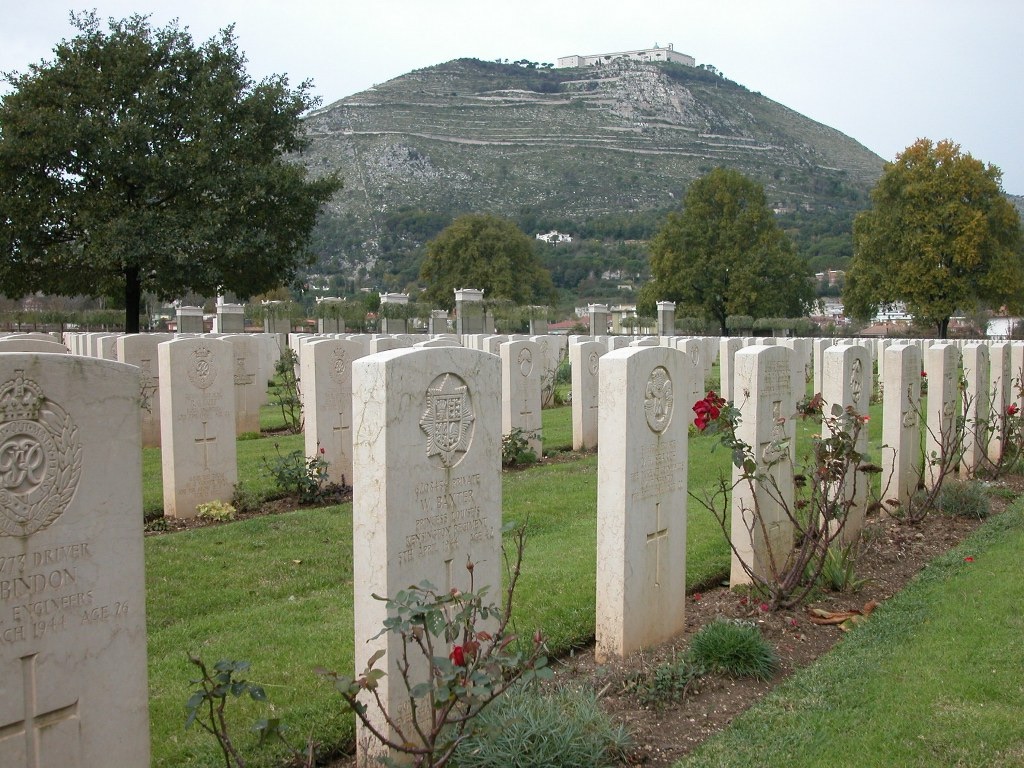
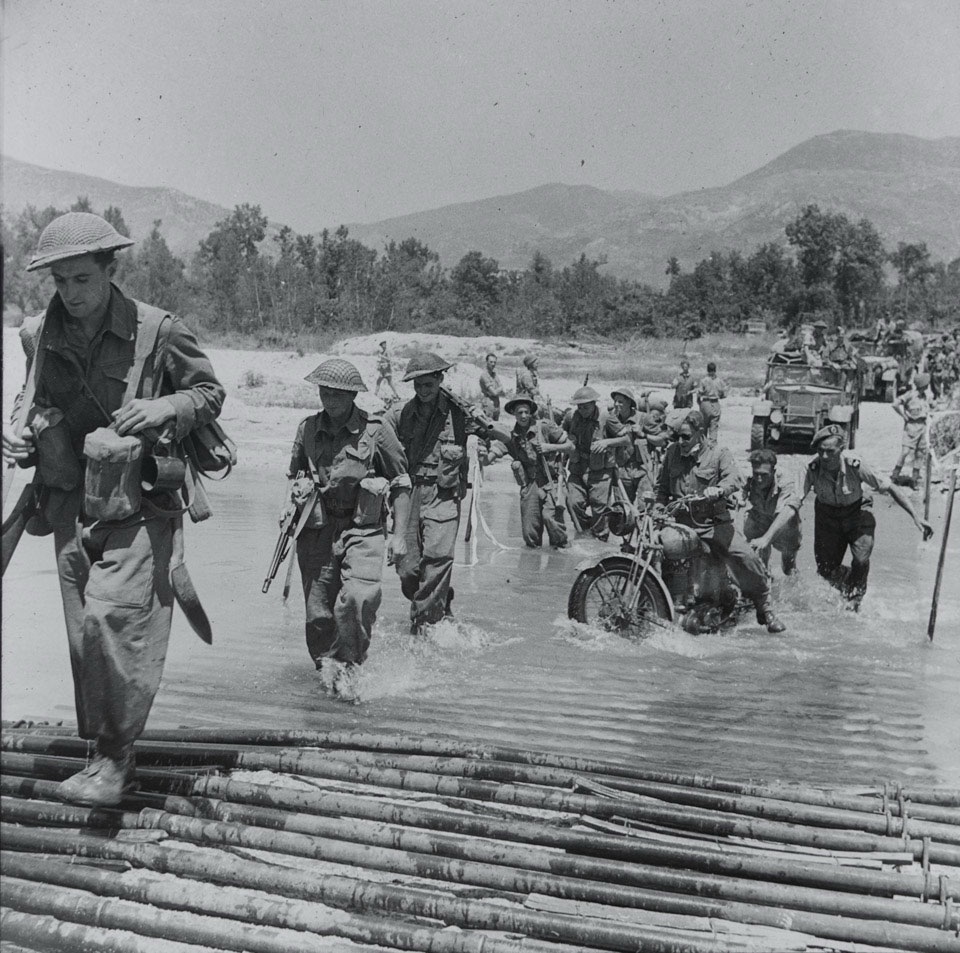
In 1943, the Allies began the invasion of Italy. This was a strategic gamble that only paid off due to deception operations. This invasion began tying up German troops, that could otherwise have been deployed elsewhere, including defending the Atlantic coast. The defence of Italy was a series of heavily defended lines, all based on Italy’s natural geography. These were tough positions to crack, but once the Allies overran one line, the Germans and Italians fell back to the next one. By the end of 1943, the Allies had been contending with the defensive lines and the terrible weather, eventually grinding to a halt, after capturing some of Italy.
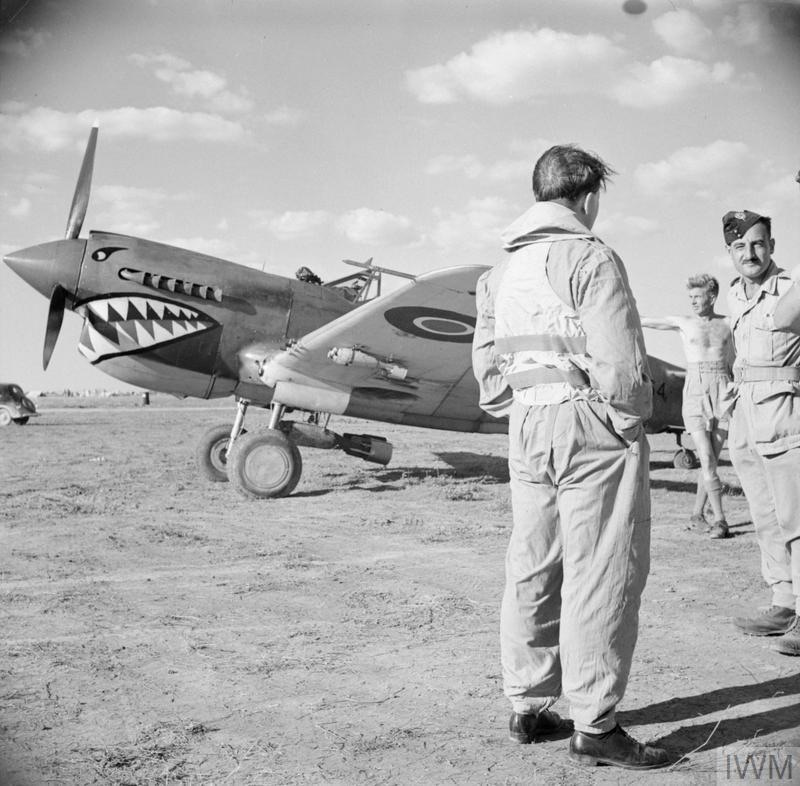
The Foggia Airfields, originally used by the Italian Air Force, were captured in October 1943 by the British 8th Army. The airfields were an Allied strategic target. They were quickly returned to use by the Allies. These airfields allowed the expansion of the strategic bombing campaign, to strike at targets that were out of range from England. This allowed the Royal Air Force and the United States Army Air Force to target different industrial areas, further straining the German war production and economy as well as further pressuring the Luftwaffe and German Army. It forced more anti-aircraft guns to be employed and more men to be transferred, men that could be used elsewhere. These airfields were crucial in the raids on oil and transportation targets.
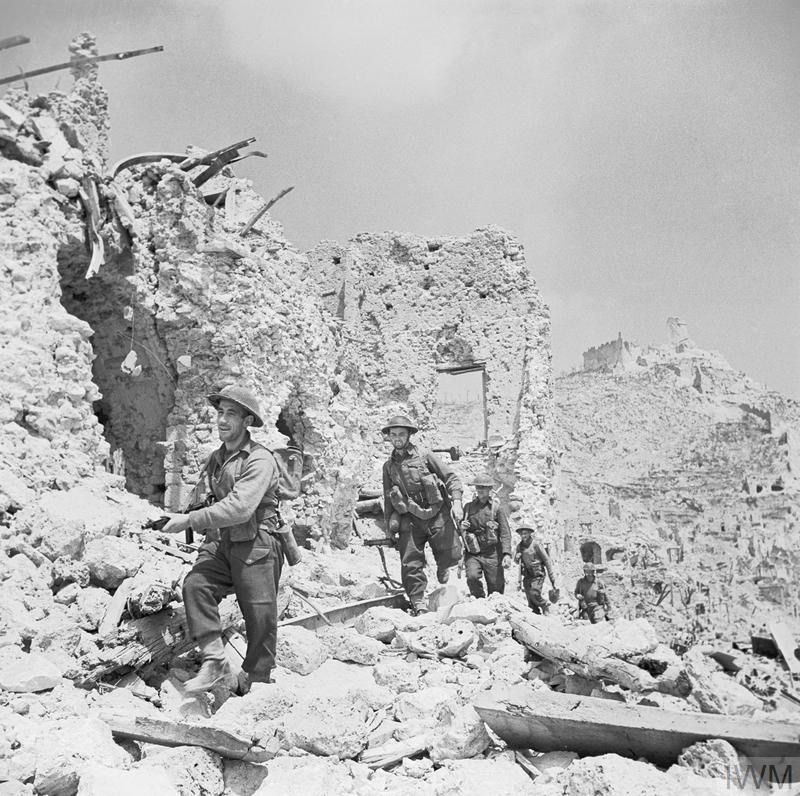
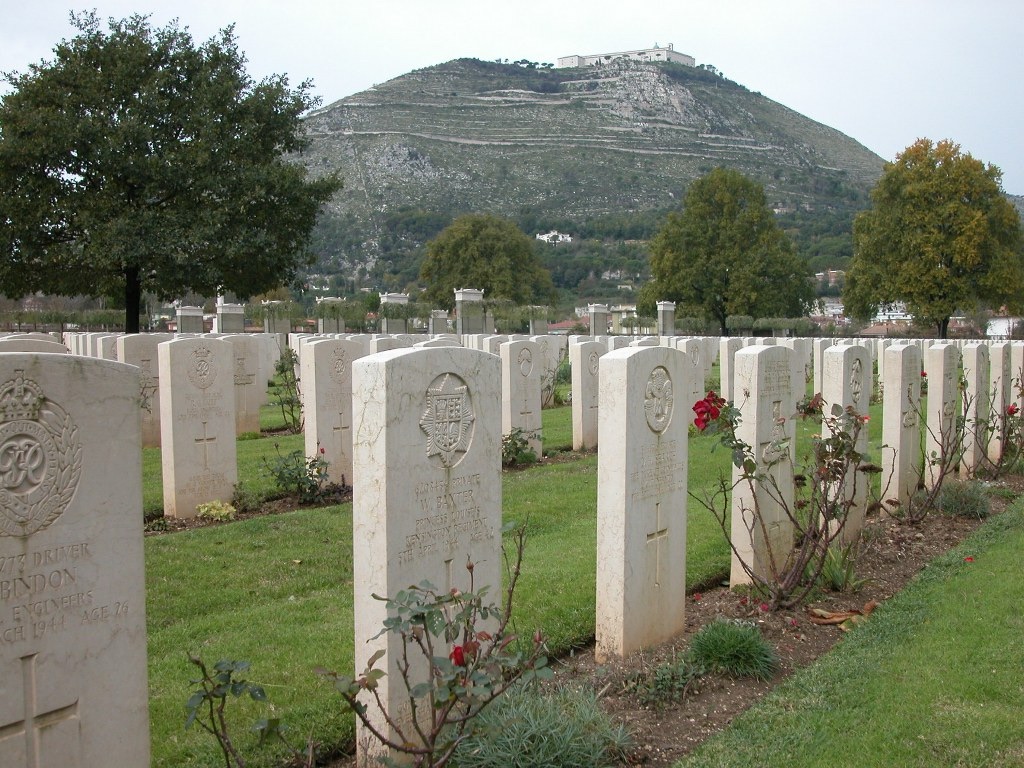
One of the hardest battles of 1944 in Italy was the Battle of Monte Cassino. Monte Cassino was a monastery on a mountaintop. The British and Allies bitterly fought over it for 4 months and sustained 55,000 casualties. On the 22nd of January 1944, the Allies began the Anzio landings, in which Lance Corporal William Parry, of the village of Haswell, was killed. This landing was to create greater pressure on the defensive lines, and particularly pressure the Germans retreating from the Gustav Line towards Rome, which was the eventual target of the Anzio Landings. The breaching of the Gustav Line was pivotal but came at great cost, including Private Leslie Whitfield of the village of Haswell.
On the 9th of September 1943, the Kingdom of Italy, under the overwhelming weight of force of the Allies, left the war and soon joined the Allies. This caused a huge blow to the Germans, who then founded the Italian Socialist Republic, a puppet government for their occupation of Italy. This occupation forced the Germans to move large numbers of men to garrison Italy while fighting the Allies, reducing the number of men and supplies available for defending the Atlantic Wall and fighting the Soviets. This was all while facing a growing Italian Resistance.
Like other fronts of the Second World War in 1944, there was no decisive breakthrough. Much of Italy, including Rome, had been captured by the Allies. The Germans were fighting on three fronts, with the Allies closing in on Germany. More Germans were taken prisoner, wounded or killed, stretching their remaining reserves ever thinner.
The term D-Day Dodgers, which is the title of post, is a satirical description of the situation of the men who fought in Italy. The focus was on the preparations for D-Day and the Battle of Normandy. The term was attributed to Viscountess Astor, who reputedly suggested that the men in Italy were avoiding the real fighting. As a sarcastic rebuttal of this supposed comment, some soldiers took up this title to highlight the costs and sacrifices in Italy. Whether or not Viscountess Astor made such a comment is still debated, but what historians can be sure of, is that the service and sacrifice of the men in Italy made a difference on D-Day, in the weeks and months after and without diverting Germans away from France, D-Day would have been a very different affair. The penultimate verse of the satirical soldiers’ song, The Ballad of the D-Day Dodgers highlights the costs involved and is:
When you look ’round the mountains, through the mud and rain
You’ll find the crosses, some which bear no name.
Heartbreak, and toil and suffering gone
The boys beneath them slumber on
They were the D-Day Dodgers, who’ll stay in Italy.
 Major History