
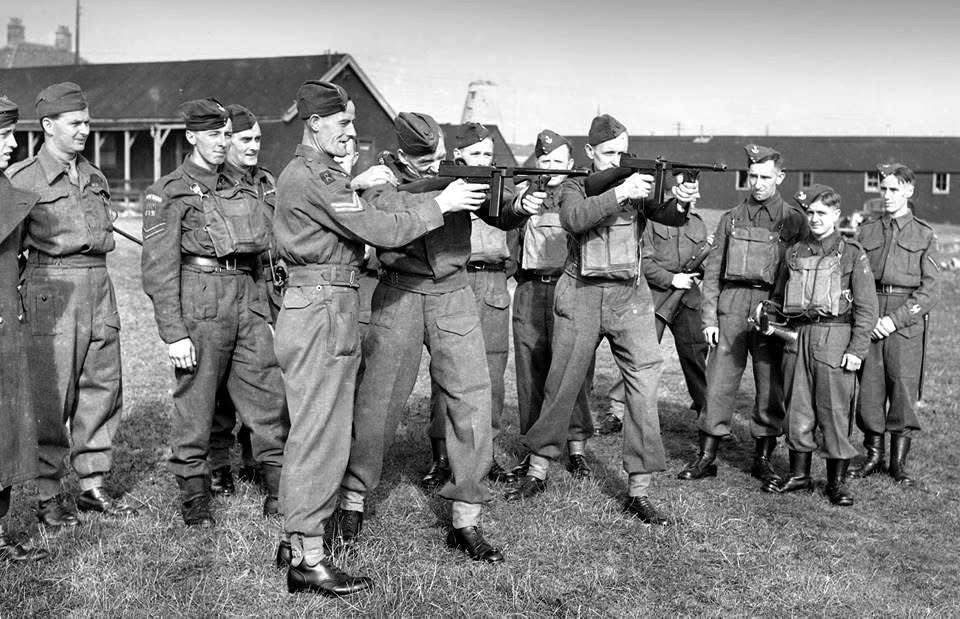
During The Second world war, the threat of invasion was a risk. Due to this, preparations were made for ground attacks on the United Kingdom, whether small scale or a full-scale invasion. These preparations were from the local to the national.
For most people their minds are immediately drawn to the BBC sit com Dad’s Army. This television show in a similar effect to the public perception of the First World War through the lens of the BBC comedy Blackadder Goes Forth changed the public view. This has impacted how generations have viewed the organisation of home defence, the men and women who were involved, the technology involved, the ruthlessness of those involved, their professionalism and the fact that for many there is a belief that the defence of the united kingdom of a time when the nation faced the threat of invasion was entrusted to a bumbling army of rank amateurs and geriatrics armed with broom handles. The effort of this defence and the national scale is well documented in resent works including Andrew Chatterton’s book “Fortress Britain 1940”. This post will not be examining the national level but again similar to the post on the Air Defence, it will look at the North East and the North Riding of Yorkshire.
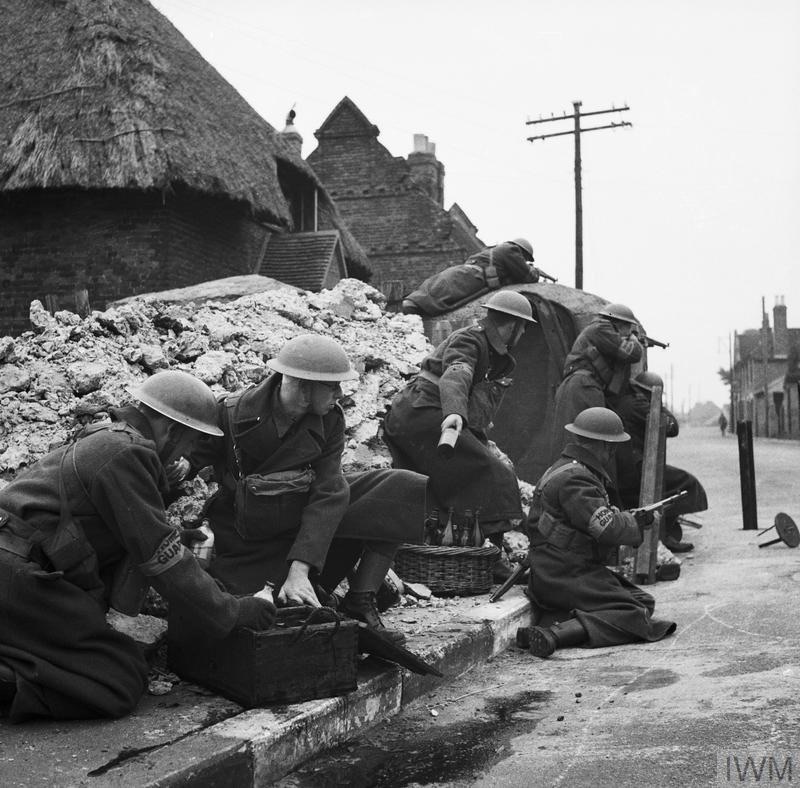
Despite the amateurish perception of the defence of the United Kingdom, the North East and the North Riding of Yorkshire did have access to at least some trained soldiers both Regular and Territorial. These units did change over the period where the nation feared a Nazi invasion. Within the area there were three Regular Infantry Depots, locations that trained soldiers but could also house detached units. Within the North Riding of Yorkshire is Catterick Garrison, a large army base which grew during the Second World War. This base provided Northern Commend with a core of troops who could be used as part of any mobile response to an enemy invasion. These regular troops were augmented by the part time soldiers of the Territorials. These men also fell under either the Northern Command or Divisions. Based in the North East was also a Territorial Tank Brigade and several un-brigaded Territorial Infantry units. These men provided the ability to provide defence to the North East and its critical infrastructure either as first line troops or as part of a mobile formation to push the invader back. The format of the defences in the United Kingdom changed as units retuned after Dunkirk and as more men had been trained, as each week’s delay of the invasion allowed Britain more time to train, arm and prepare.
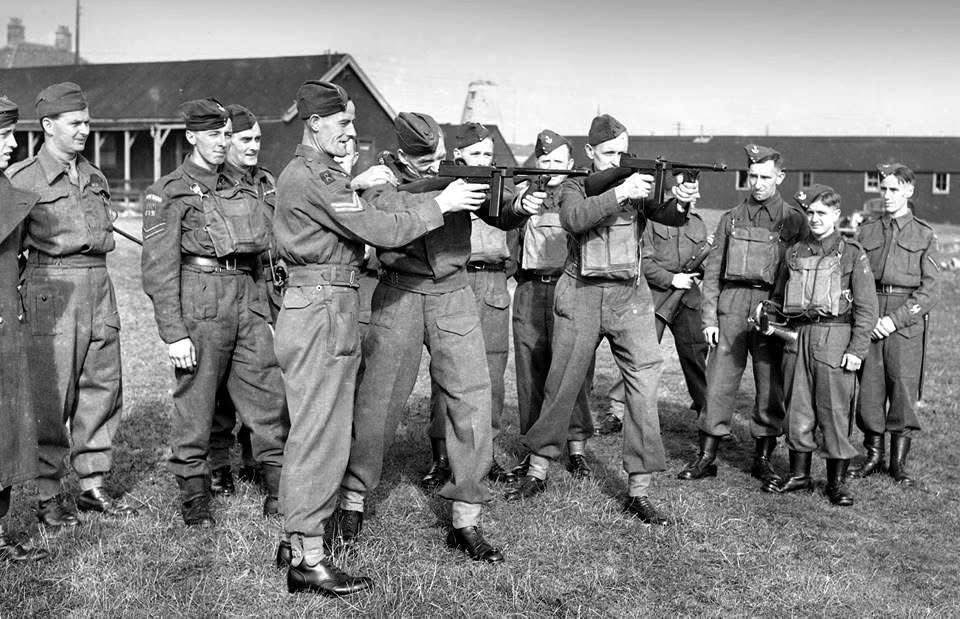
The trained men of the regulars and territorials would not be enough in the event of an invasion. The British have a long tradition of forming militia units in times of crisis, such as the fencibles if the late 1700’s. On the 14th of May 1940, the Local Defence Volunteers was formed. This organization comprised of men who were either too old or too young for active service in His Majesty’s Armed Forces, or especially in the North East, those in reserved occupations, such as miners. These Local Defence Volunteers became the Home Guard. As Andrew Chatterton, and Home Guard service documents along with corresponding First World War documents, suggest, that these older men of the Home Guard were not the doggery old fools as portrayed in Dad’s Army, but rather a force with much experience of conflict from the First World War. Men who had been in their late teens and early twenties in the First World War would be in their 40’s by 1940. Still relatively young but with much experience of conflict and combat, which for some would include brutal hand to hand fighting in trench raids and when assaulting enemy positions. Trench raiding often utilised homemade close quarters weapons designed to cause maximum damage to the human body silently and efficiently, this knowledge of conflict and close quarters battle puts a different slant on the view of the old soldiers in the ranks of the Home Guard and how ruthlessly they would have fought against any invader. Many men who joined did so because they could not enlist in any of the forces which shows now determined many were to serve their country and to protect their families. Many of the younger members who were not in reserved occupations would eventually use some of the lessons from the Home Guard in their regular service.
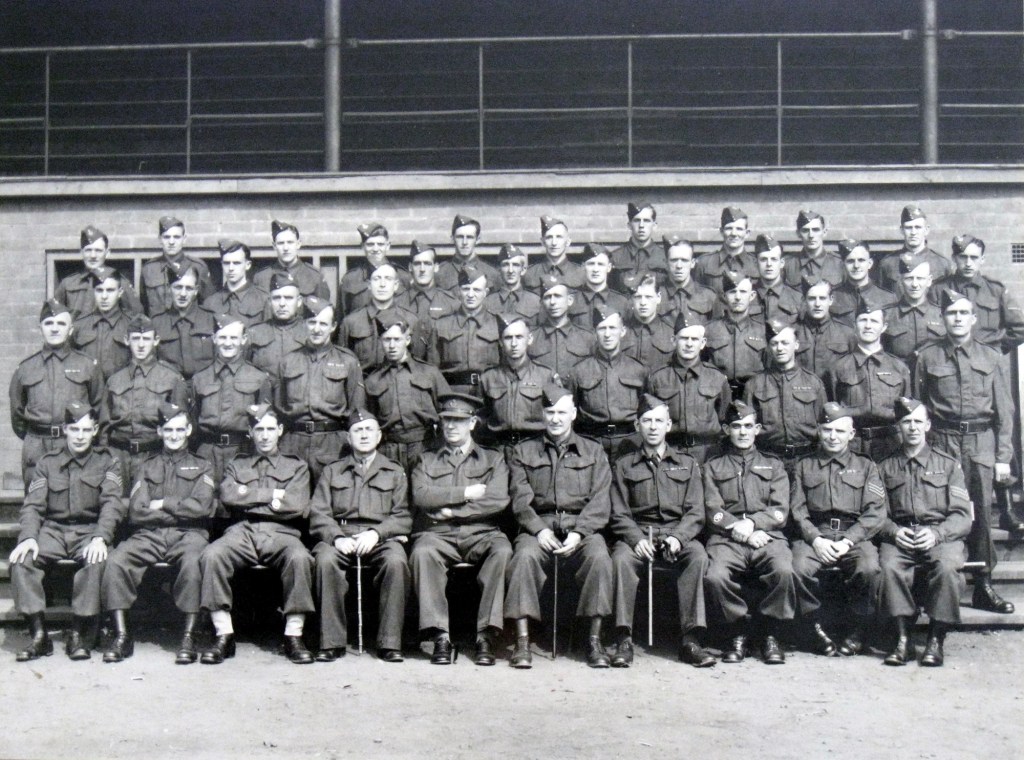
In general, the Home Guard members and their units were organised as parts of the County Regiment system, such as the men of Home Guard men of Durham being part of 26 battalions of the Durham Home Guard, with their men wearing the cap badge of the Durham Light Infantry. These 26 battalions were local with sections in the villages near the Battalion Headquarters. In East Durham many of the Home Guard men were coal miners which would have created difficulties in the event of an invasion with many section members possibly being stuck underground. These men of the Home Guard would have been vital in the event of an enemy invasion choosing the North East as a landing point in providing extra manpower to attempt to hold up enemy troops until a mobile force of Regulars could arrive. Beyond this anti-invasion role, the men of Home Guard relieved men of the armed forces by taking over the paroling of and guarding of sites including these of the critical industries of the North East, with many involved in guarding their own workplaces, particularly miners and those in armaments and chemical industries.
Just as other parts of the county, the landscape of the North East is littered with remnants of some of the physical hard points of the Stop Lines, often just the concrete pillboxes of this system remain. This system, which ran much of the length of the east coast and the south coast, was where an attempt to hold up the enemy would be conducted. These concrete pillboxes would be supplemented by earth works that have been since ploughed or developed away. Some noticeable pillboxes remain just off the A690 and in the village of Haswell, in County Durham, as well as around the area near the old ICI plants. It is these Stop Lines and the beaches that would have seen bloody and determined fighting had an invasion arrived.
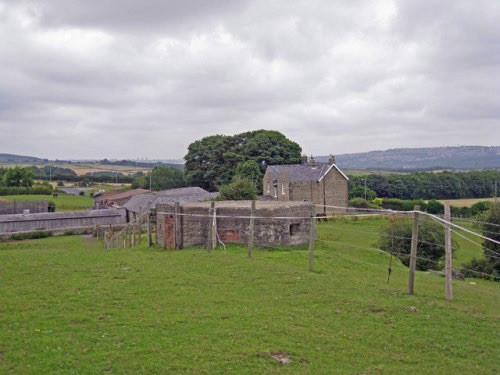
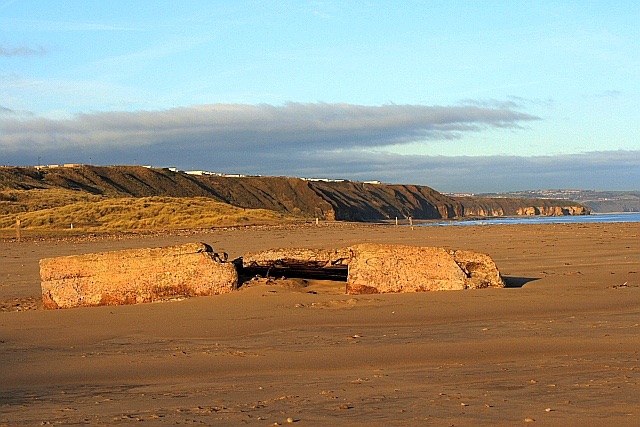
Home defence on land in the North East Coast and the North Riding of Yorkshire was a serious business and the North and its industries, from mining and shipyards to the chemical industry were vital to the defence of the Realm and the preparations for the war effort and vital to prevent falling into enemy hands. If the invasion had came, they would have faced a determined bunch of hardy people, prepared to lay down their lives for the defence of the Realm. (This post only focuses on the defensive measures and not on the chance of success of any possible invasion attempt.)
 Major History