
The general presumption in the years leading up to the First World War, was that those that soldiers left behind in the United Kingdom to go to war, would be far from the conflict and danger. But with the changes in how wars were fought in the First World War and technological innovations before the war began, this was an unfortunately outdated public concept. The government had for a long time prepared to defend harbours and ports, with the Heugh Battery, along with its sibling Batteries commissioned in 1860. These batteries were reworked over the years to be more efficient and have more modern artillery pieces fitted. This was one of many coastal defences that were in place around the United Kingdom during the First World War, highlighting that although the public perception was that war would be confined to those in the military, the government had planned for the alternative possibility.
On the 16th of December 1914, the war came to British soil.
At 8am part of the German strike force, began to bombard Scarborough. This caused damage to many buildings including hits to the Scarborough Castle, some of which can still be seen today. These vessels moved off and steamed towards Whitby. At Whitby, the shells hit Whitby Abbey and killed a Coastguard, as well as hitting many other buildings in the town.
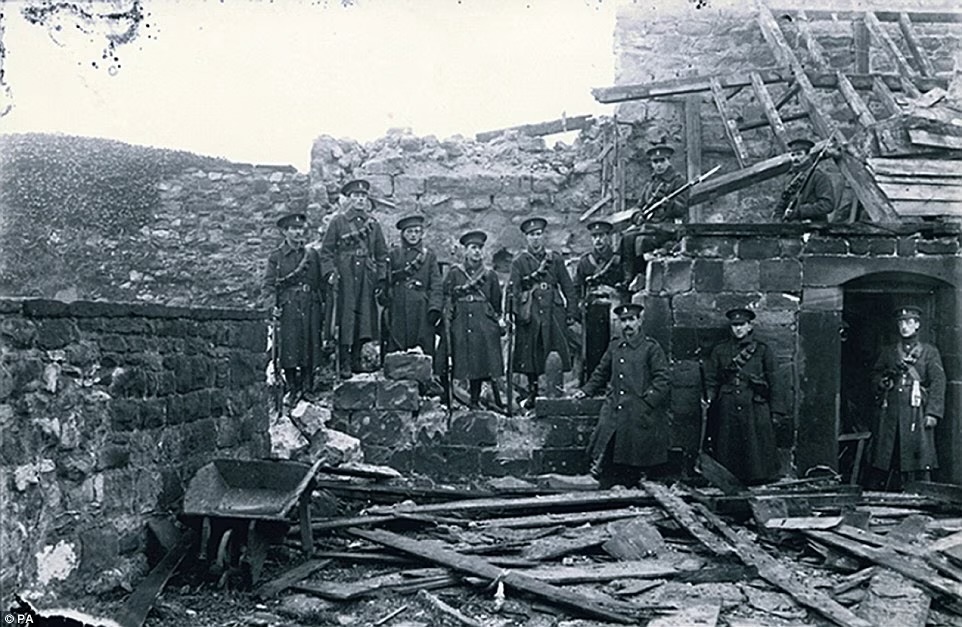
Due to the Heugh Battery, Hartlepool was defended and it was the port that had attracted German raid. At 8:10am the shelling of Hartlepool began. Once the situation became clear, the men of the Heugh Battery opened fire. Becoming the only First World War battlefield in Britain. With direct hits damaging one of the German ships. But this did not put pay to the German assault that resulted in damage to many buildings and many killed and injured.
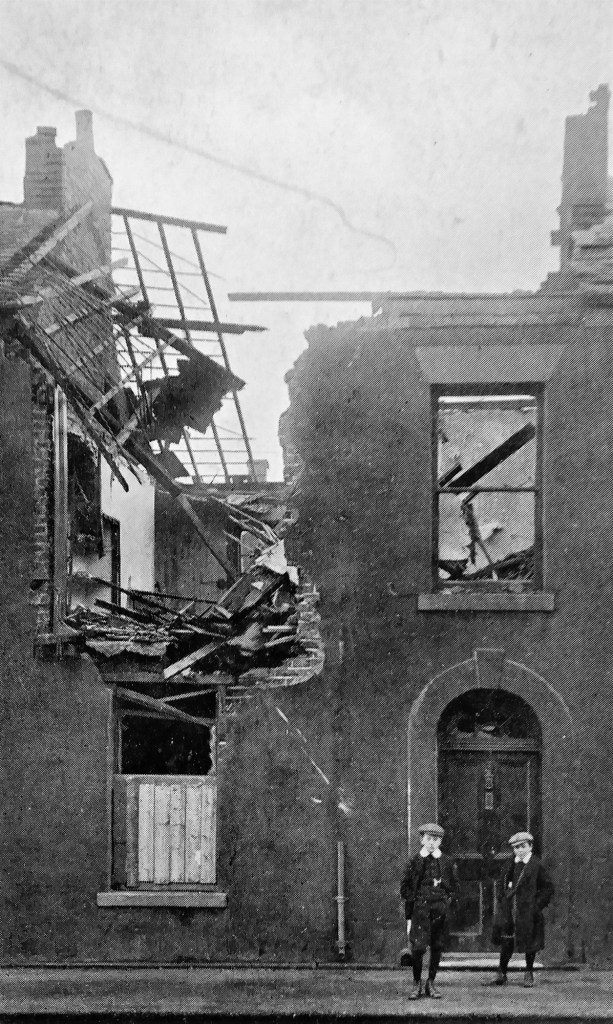
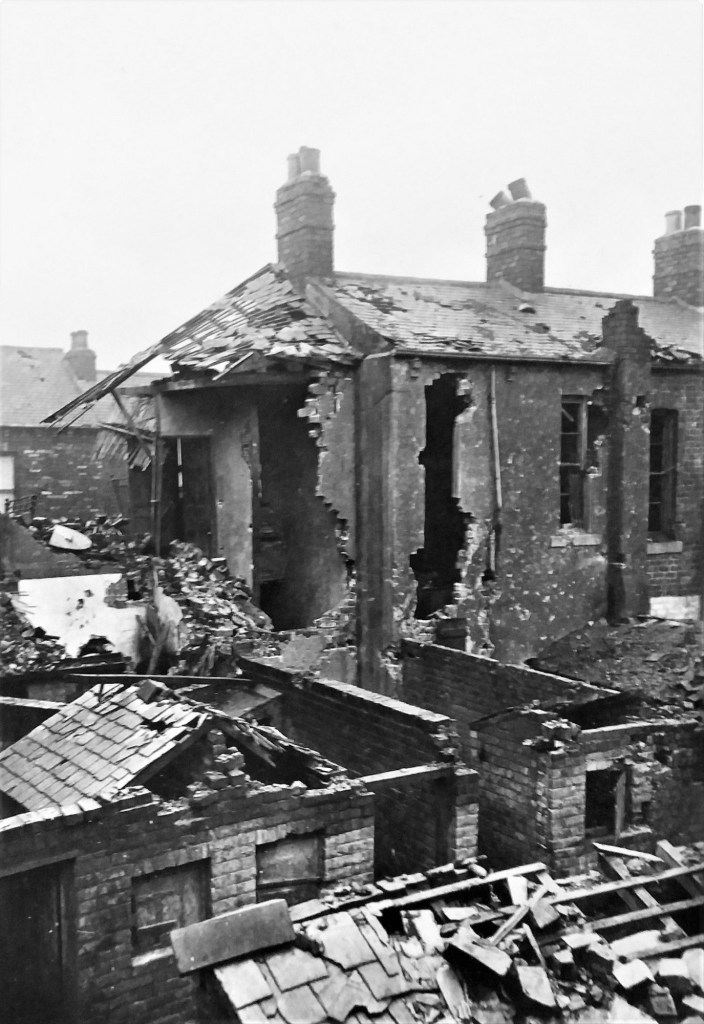
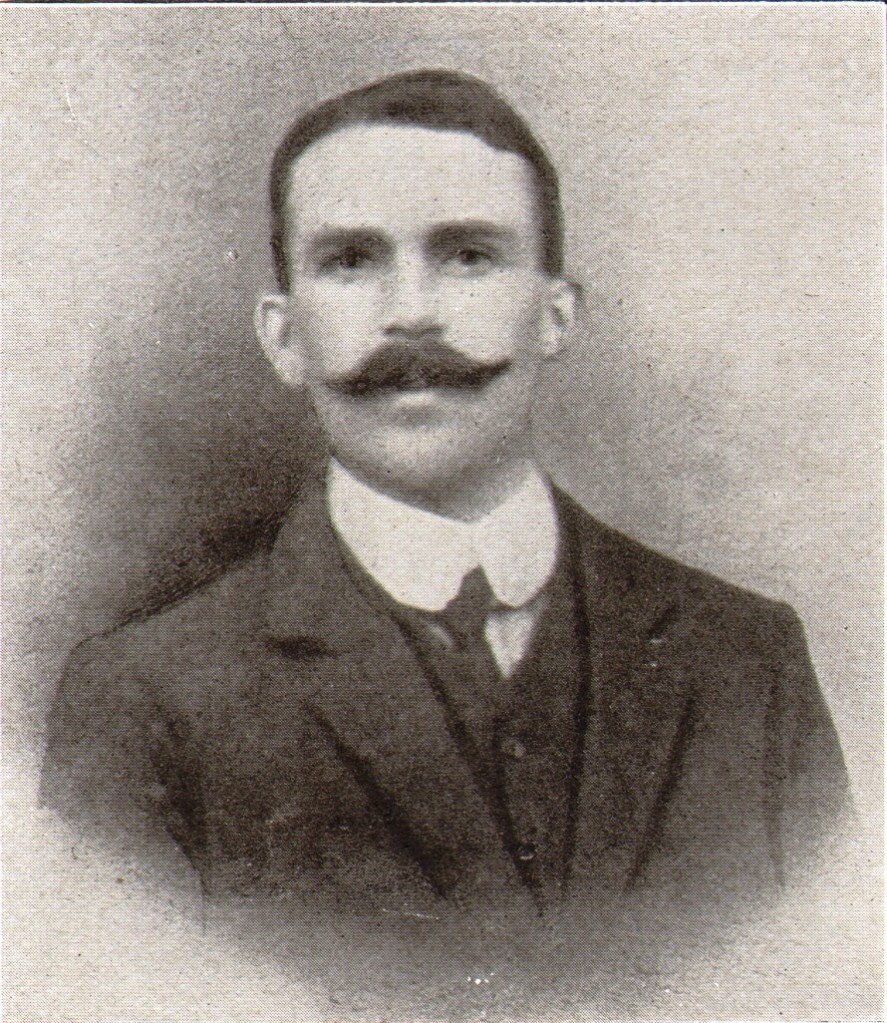
In the raid on Hartlepool over 1000 shells were fired and, depending on accounts, between 80 to 122 were killed with over 400 wounded. Also included in the casualties were men of the British Army, including Private Theophilus Jones who became the first British Soldier to be killed in combat on British soil in approximately two centuries. However, in the press Scarborough was the main figure as it was a resort town that was underfunded. But Hartlepool was the larger target, but it was defended, and that meant for propaganda purposes, it was Scarborough that had to make the main press.
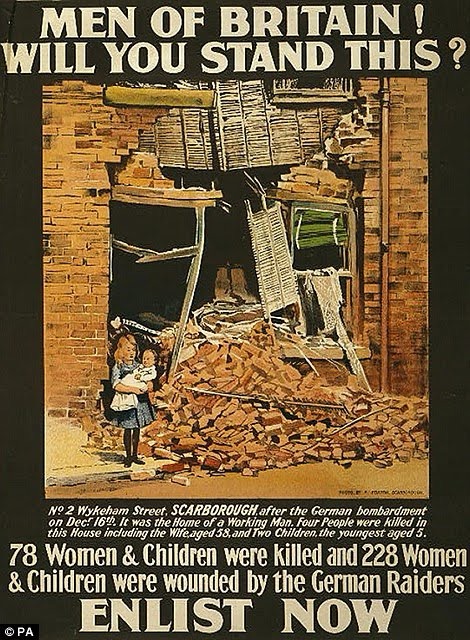
But this raid highlighted the importance of home defence, which would become critical in the minds of the military planners in the years ahead.
 Major History